Best 3-Axis Gimbal Kit for Cameras and Smartphones: Smooth Stabilization for Every Creator
Across a range of budgets and setups, a 3-axis gimbal kit helps you capture steady, cinematic footage with cameras, smartphones, or action cams. This guide highlights five top 3-axis gimbal kits, explaining who each is best for, and why they stand out. Ideal buyers include vloggers seeking simple AI tracking, filmmakers needing payload versatility, travelers who value portability, and content creators who want quick, reliable stabilization without complicated setups.
Summary of selected products
| Product | Best For | Payload Notes |
|---|---|---|
| Hohem iSteady MT3 Pro Kit | Vloggers and creators needing AI tracking and a detachable touchscreen | Up to 5.51 lbs (2.5 kg) |
| DJI RS 3 Mini | Travelers and single-operator setups needing light weight | Up to 2 kg (4.4 lbs) |
| FeiyuTech SCORP 3 KIT | Professionals needing extended payload and AI tracking | Up to 3.5 kg (7.72 lbs) |
| FeiyuTech SCORP Mini 2 Kit | Compact rigs with included accessories and AI tracking | Balanced for smaller rigs |
| Hohem iSteady M6 Kit | Smartphone-only setups with magnetic fill light and long battery life | Lightweight, strong battery life |
Hohem iSteady MT3 Pro Kit 3-Axis Gimbal Stabilizer

Best for: Vloggers and creators who want AI tracking plus a detachable touchscreen for quick adjustments. This system includes an AI tracking module that stays focused on subjects using gestures, with a reversible tracking setup for front and rear cameras. The adjustable RGB fill light enhances low-light shots and color saturation for more professional results.
Why selected: Its all-in-one design combines AI tracking, a detachable control touchscreen, and broad camera compatibility, making it convenient for beginners and seasoned creators alike who demand easy operation and flexible shooting scenarios.
Caution: Compatibility varies by Bluetooth function; check the compatibility sheet for supported devices before pairing with accessories.
DJI RS 3 Mini 3-Axis Gimbal
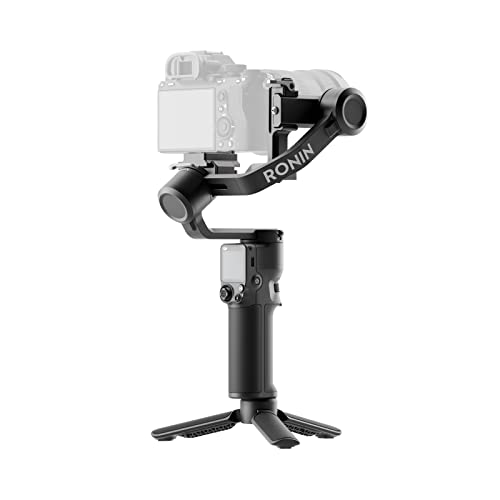
Best for: Travelers and solo shooters who need a portable, lightweight stabilizer with strong payload capability. It supports cameras and lenses up to 2 kg and is designed for easy handling on the go.
Why selected: Its ultra-light footprint combined with solid stability and native vertical shooting makes it ideal for street photography, travel vlogging, and quick setups where space and weight matter.
Caution: While lightweight, heavier rigs or bulky lenses may approach the upper payload limit; ensure your setup stays within the specified 2 kg limit.
FeiyuTech SCORP 3 KIT Gimbal Stabilizer

Best for: Professionals needing robust AI tracking and a detachable control handle for flexible shooting from varying angles. It supports a wide range of cameras up to 3.5 kg and includes built-in AI tracking without requiring an app.
Why selected: The extended payload, plus a detachable handle for remote operation, makes it suitable for more demanding shoots and versatile configurations in studio or on location.
Caution: As with higher payloads, balance and setup time may be longer; ensure proper balancing to maximize motor efficiency and runtime.
FeiyuTech SCORP Mini 2 Kit Gimbal

Best for: Compact rigs that require reliable AI tracking and a bundled carrying case with essential accessories for mobile shoots. This kit emphasizes portability without sacrificing key features.
Why selected: The all-in-one package with a dedicated carrying case and extension options provides a balanced solution for creators who frequently shoot on the move while maintaining professional tracking accuracy.
Caution: The kit is optimized for smaller rigs; heavier camera bodies may require a higher-capacity gimbal or alternative model.
Hohem iSteady M6 Kit Gimbal Stabilizer

Best for: Smartphone users seeking long battery life and an AI tracker with a magnetic fill light for flexible lighting options. The OLED display helps monitor status at a glance.
Why selected: The iSteady M6 emphasizes extended battery life and a magnetic fill light, making it a practical choice for extended shoots without frequent recharging or external lighting setup.
Caution: Mounting and balancing the phone before use is essential to avoid motor overheating during extended sessions.
Buying Guide: Key Considerations For Your 3-Axis Gimbal Kit
- Payload needs: Match the gimbal’s maximum load to your camera body, lens, and accessories. Heavier rigs require higher payload models to maintain stability and performance.
- Power and runtime: Consider battery life and charging options. Longer shoots benefit from models with extended battery life or swappable batteries.
- Portability vs. capability: Lightweight models are easier to carry on travel, but heavier payload-capable gimbals offer more versatility for larger cameras.
- AI tracking and subject framing: AI tracking is valuable for solo operators. Check whether tracking works with your device natively or requires an app, and whether it supports back-to-front tracking or in-scene recognition.
- Control interfaces: Detachable touchscreens or physical controls affect usability, especially for beginners. Ensure you’re comfortable with the on-device controls or external remotes.
- Lighting options: A built-in fill light or magnetic light can be beneficial for low-light environments. Ensure color temperature and brightness suit your typical shooting conditions.
- Compatibility and accessories: Verify compatibility with your camera, smartphones, or action cameras. Look for included accessories like carrying cases, extension rods, or remote control options.
- Setup and balance: Proper balancing reduces motor strain and improves stabilization. Review balancing steps and any required mounting hardware for your kit.
Frequently Asked Questions
- What is a 3-axis gimbal kit best used for?
It stabilizes pan, tilt, and roll movements to produce smooth video, reducing hand shake for cameras, phones, or action cams. - Do I need AI tracking features?
AI tracking helps keep subjects in frame when you shoot solo. It’s particularly useful for vlogging, sports, or dynamic scenes. - Is a detachable touchscreen worth it?
Detachable screens offer quick access to settings and easier framing, but may add weight and can be a target for loss if you travel frequently. - Can I use a gimbal with a smartphone only?
Yes. Several kits are optimized for smartphones, offering light weight, strong stabilization, and extended battery life for mobile shooting. - What is the trade-off between weight and stabilization?
Heavier gimbals can support more payload and provide robust stabilization but are less portable; lighter models are easier to carry but may limit camera options. - How important is battery life for a gimbal kit?
Important for longer shoots away from power sources; check advertised hours and whether multiple batteries are included.