Best 3 Axis Servo Gimbal Options for Aerial and Camera Stabilization
Finding the right 3-axis servo gimbal depends on your gear, use case, and budget. This guide highlights five top options that balance stability, lightweight design, and compatibility for FPV drones, RC aircraft, and handheld rigs. The buyer is typically a hobbyist or professional seeking smoother video, better control, and reliable mounting. The top picks cover quick-release designs, brushless stabilization, and versatile payload ranges to help you choose confidently.
The following table summarizes the featured products, their intended use, and what they excel at. Use this quick reference to compare compatibility and core strengths at a glance.
| Product | Main Strength | |
|---|---|---|
| Mini Pan/Tilt Camera Platform Anti-Vibration Mount | Two SG90 servos, compact platform | Lightweight FPV cameras and small aircraft |
| ATOMRC Quick-Release Servo Gimbal V2 | Tool-free quick release, head tracking | Field maintenance and immersive FPV control |
| Brushless Gimbal BGC 2 | 3-axis brushless, CNC frame, vibration isolation | Rugged, smooth footage on larger cameras |
| DJI RS 3 Mini | Lightweight, high payload, Bluetooth shutter | Travel-friendly mirrorless setups |
| FPV Nylon Dual-Axis Servo PTZ Gimbal | Dual-axis PTZ with SG90 servos | RC airplanes and small FPV drones |
Mini Pan/Tilt Camera Platform Anti-Vibration Mount w/ 2 Servos Aircraft FPV
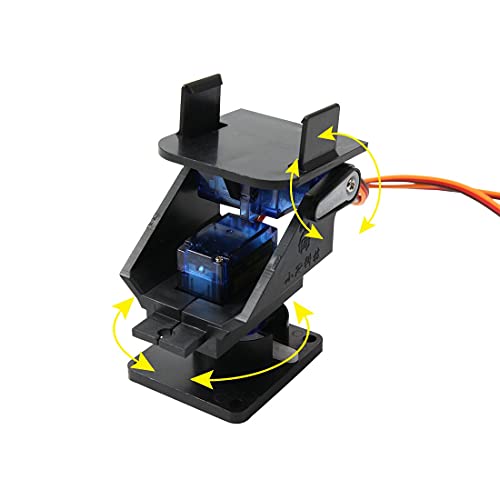
This compact 3-axis system uses two SG90 servos to provide pan and tilt motion for small cameras in FPV aircraft. It is best for hobbyist projects where a lightweight, budget-friendly stabilizer is required and where the camera load remains modest. The anti-vibration mount helps mitigate typical airframe jitters during flight. A limitation is that a dedicated camera is not included, so you’ll pair your own lightweight device.
Best for: beginners or budget-conscious FPV pilots seeking a simple servo-based stabilizer. Choose this if you need a compact, easy-to-install platform with straightforward adjustments for quick field setups.
Consideration: Not recommended for heavy or high-end cameras, as the SG90 servos have limited torque and may struggle with larger payloads.
ATOMRC Quick-Release Servo Gimbal V2 with Head Tracking

The ATOMRC Gimbal V2 highlights a quick-release design for efficient tool-free installation and removal, making it ideal for field maintenance and rapid reconfiguration. It includes head tracking capabilities for precise FPV control, enabling immersive aerial experiences. Its universal mounting options support fixed-wing aircraft and various FPV models, offering versatility for pilots who switch between platforms. A potential limitation is the reliance on compatible cameras and mounting setups to maximize the head-tracking benefit.
Best for: pilots who need rapid field swaps and head-tracking FPV capabilities. Choose this if you value quick setup and flexible installation across multiple aircraft types.
Limitation: Ensure your camera and mount match the gimbal’s compatible mounting patterns for reliable head-tracking performance.
Brushless Gimbal BGC 2 Stabilizer for 3 3+ 4 Camera

This 3-axis gimbal uses brushless motors and a CNC aluminum frame to deliver smooth stabilization for a variety of cameras. The robust construction reduces vibration and supports aggressive maneuvers. A built-in shock absorption system with rubber isolation balls further minimizes external vibrations for crisper footage. Best for: users seeking a balance of durability and stability for mid-to-large cameras. Limitation: assembly and tuning may be more involved than simpler servo-based options.
DJI RS 3 Mini, 3-Axis Gimbal Stabilizer
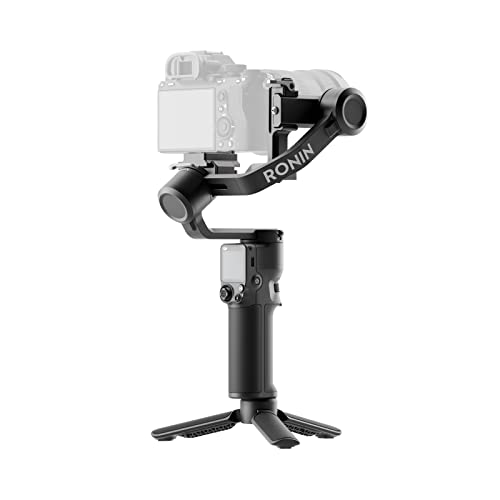
The DJI RS 3 Mini offers a lightweight 3-axis stabilization solution with a payload capacity up to 2 kg, making it suitable for many mirrorless cameras and lenses. It is optimized for travel with its compact form and 795 g weight. Features include native vertical shooting and Bluetooth shutter control for quick capture. Best for: travelers and videographers using compact mirrorless cameras. Limitation: higher-end stabilization systems can have a learning curve for optimal balance and setup.
DJI RS 3 Mini (Renewed)
This renewed DJI RS 3 Mini provides similar stability in a refreshed form. It remains a compact choice with a strong payload capability and Bluetooth shutter control. Best for: budget-conscious buyers who want a compact stabilizer with reliable performance. Limitation: renewals may have variable condition and warranty compared to new units.
Tarot 3D V Metal 3-Axis PTZ Gimbal

The Tarot 3D V Metal PTZ gimbal focuses on three-axis stabilization with a robust CNC-integrated shell designed for stability in harsh environments. It supports multiple control modes, including attitude lock and following modes, to maintain precise framing. Best for: advanced setups requiring strong structural stability and precision control. Limitation: installation may require software and driver compatibility with Windows XP through Windows 8, which could complicate newer systems.
Buying Guide
What payload do you plan to run? The best 3-axis servo gimbals vary in max load. Consider the camera weight, lenses, and any mounting hardware to avoid overloading the motors. For field use, prioritize quick-release systems and lightweight frames for easier transport and quick setup.
Do you need head tracking or smart features? If immersive control and automatic face or target following are important, choose models with head-tracking or advanced control modes. For simple stabilization, a basic axis setup with robust construction may suffice.
How important is portability? Travel-friendly gimbals emphasize compact form, lower weight, and easier balance. Heavier rigs favor more rigid frames and brushless motors for steadier shots during dynamic maneuvers.
What about compatibility and mounting? Ensure your camera brand, size, and mounting pattern align with the gimbal’s universal or specified mounting options. Some units support fixed-wing aircraft or various RC models, which broadens your usage scenarios.
What maintenance does the system require? Quick-release designs reduce maintenance time, but rotor balance and calibrations are essential for ensuring long-term stability. Check whether you can easily source spare parts or servos when upgrades are needed.
FAQ
- What is a 3-axis servo gimbal? A device that stabilizes camera movement across pan, tilt, and roll axes using servo motors or brushless units for smoother footage.
- Are brushless gimbals better than servo-based ones? Brushless gimbals generally offer smoother operation and higher torque, especially with heavier cameras, but may be more complex and costly.
- Can I use these gimbals on FPV drones? Many listed options support FPV setups with appropriate mounting, but verify frame compatibility and weight limits.
- Do these gimbals require assembly? Some models include quick-release or modular components, while others may require setup and calibration after installation.
- Is head tracking essential for FPV? Head tracking adds immersion by aligning gimbal movement with head motion, but it’s optional for basic stabilization needs.
- Can I upgrade to newer servos later? Many units are designed to accept servo swaps or upgrades; check torque ratings and mounting compatibility before purchasing.