Best 35mm Film Developing: A Practical Guide for Analog Processing Enthusiasts
Discover top 35mm film options that pair well with developing at home, along with essential gear to streamline your workflow. This guide highlights color and black‑and‑white films, plus a beginner friendly darkroom kit to help you maximize results from shooting to processing. Whether you’re reversing digital habits or chasing classic tones, these picks cover versatility, latitude, and familiar processing needs for American hobbyists and professionals alike.
Summary table of selected products:
| Product | Brand | Type | Notes |
|---|---|---|---|
| Kodak Ultramax 400 Color Print Film | KODAK | Color Negative | 36 exp per roll; versatile everyday color |
| Ilford HP5 Plus | Ilford | Black & White | ISO 400; wide latitude; good for push processing |
| Fujifilm 400 Color Negative Film | Fujifilm | Color Negative | Promotes vibrant colors; reliable under varied light |
| Kodak Tri-X 400TX | Ritz Camera | Black & White | Classic grain; broad exposure latitude |
| FUJIFILM 200 Color Negative Film | Fujifilm | Color Negative | Balanced color and grain; great for portraits |
Next, explore five curated film options and a dedicated darkroom developing kit that align with classic processing techniques, ensuring you can shoot, develop, and print with confidence.
Kodak Ultramax 400 Color Print Film 36 Exp. 3 Pack
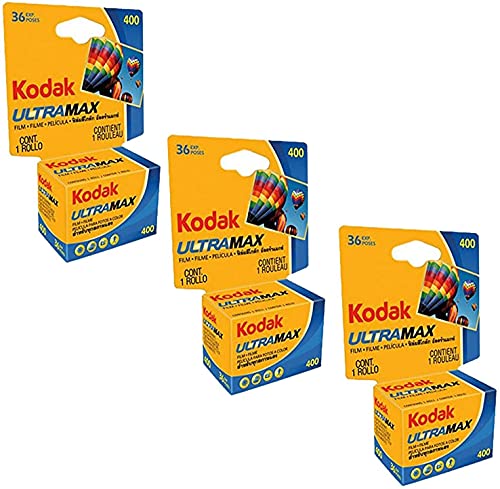
Kodak Ultramax 400 is a reliable color negative film designed for everyday shooting with wide exposure latitude. It delivers natural skin tones and balanced color under varied lighting, making it a solid choice for home processing workflows. The 36-exposure rolls fit standard 35mm cameras, and the 3-pack variant adds convenience for ongoing projects. Use standard C-41 development to achieve consistent results in a home lab setup or a local lab.
KODAK EKTAR H35 Half Frame Film Camera, Sage
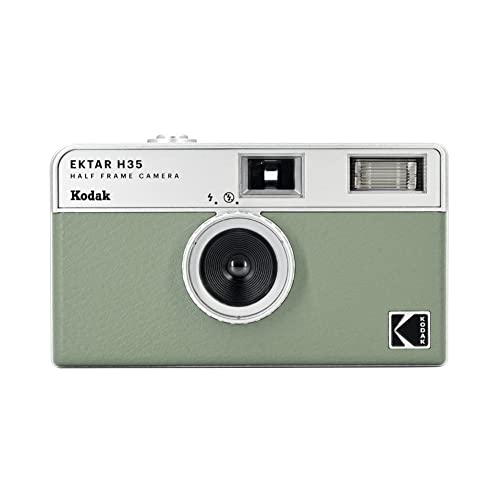
While primarily a camera, the EKTAR H35 half-frame system doubles exposure counts by using a 35mm frame as two half-frames. Its simple operation and built-in flash support easy field work, making it a practical companion when planning shoots that you’ll develop at home. Half-frame format means more frames per roll, which is advantageous for test sets and learning curves in development.
Ilford HP5 Plus 35mm Black & White Film, 36 Exposures

Ilford HP5 Plus is a staple of black-and-white film, offering broad exposure latitude and good tonal range. Its moderate contrast and push-processing potential make it versatile for street photography, landscapes, and portraits. When developing at home, HP5 Plus responds well to standard developers and can yield classic grain structures, especially at extended development times.
Darkroom Developing Equipment Kit Film Processing 120 135 35mm Color B&W Film

This all-in-one darkroom kit is designed for 135 and 120 formats, offering a developing tank, reels, timer, measuring tools, and gloves. The kit supports color and black-and-white processing and helps align timing across multiple rolls. While not a camera per se, it provides essential infrastructure for home processing, enabling controlled chemical development and consistent results.
FUJIFILM 400 Color Negative Film (3-Pack)

Fujifilm 400 Color Negative is a robust choice for photographers seeking vibrant color reproduction and dependable performance in varied lighting. With 36 exposures per roll, this film suits travel, portraits, and everyday scenes. Its ISO 400 rating makes it forgiving in mixed lighting, and it pairs well with standard C-41 development methods in a home or lab setting.
Kodak Tri-X 400TX Professional Black & White Film
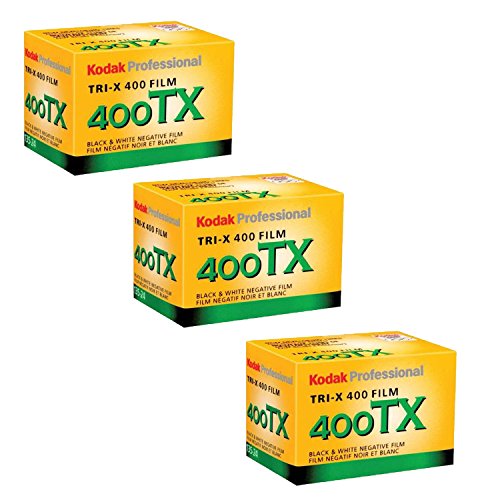
Kodak Tri-X 400TX is a long-standing favorite among black-and-white shooters for its classic grain, sharpness, and broad latitude. It responds well to varied development times and contrast adjustments, making it a strong option for learning tonal control in home processing. A 3-pack format supports experiments across different development strategies.
FUJIFILM 200 Color Negative Film (3-Pack)

Fujifilm 200 offers color fidelity with moderate grain, making it a good choice for portraits and everyday scenes in well-lit settings. The 200 ISO is comfortable for indoor and outdoor work where lighting is not extreme, and the 3-pack option provides consistency for extended projects while experimenting with development times and processing styles.
Buying Guide: Key Purchase Considerations for 35mm Film Processing
- Film type and contrast expectations: Color negatives (like Kodak Ultramax and Fujifilm 400/200) deliver natural colors and ease of development, while black-and-white films (Ilford HP5 Plus, Kodak Tri-X) require thoughtful developing times and contrast management to achieve desired tonal results.
- Exposure latitude and subject matter: Higher ISO films (ISO 400) are more forgiving in mixed light, ideal for street, travel, and quick portraits. Lower ISO options offer finer grain and higher detail in controlled lighting.
- Developing workflow compatibility: Ensure your home setup supports standard C-41 color processing or black-and-white chemistry. A reliable developing tank, timing controls, and accurate thermometer help maintain consistency across rolls.
- Economy and quantity: Multi-pack films and camera kits provide long-term value for ongoing projects. For beginners, starting with a known color or black-and-white option reduces variables during development.
- Half-frame and format considerations: Half-frame cameras double the number of exposures per roll, effectively increasing the frequency of development sessions and the need for consistent processing times.
- Storage and handling: Keep exposed film away from light and extreme temperatures before development. Proper canister handling and timely processing help preserve image quality.
- Where to develop: Home development offers control and learning opportunities, while local labs can ensure precise chemistry handling and consistent results for more complex films.