Best 4K Camera Memory Cards for High-Resolution Video
Find the right memory card for capturing 4K video with confidence. This guide highlights five cards suited for cameras, action cameras, and drones, focusing on reliability, speed, and capacity. Best for professionals needing fast offloads, enthusiasts filming 4K with action gear, and travelers seeking durable storage. The top picks support UHS-I speeds, C10, U3, and V30 classifications, helping ensure smooth 4K recording and quick transfers. See the quick-reference table below for a snapshot of the selected products.
| Product | Capacity | Speed Class | Best For |
|---|---|---|---|
| Sandisk 128GB Extreme PRO SDXC | 128 GB | C10 U3 V30 | Professional videographers using SD cameras |
| Sandisk 256GB Extreme PRO SDXC | 256 GB | C10 U3 V30 | 4K shooters needing fast offloads |
| Sandisk 256GB Extreme SDXC | 256 GB | C10 U3 V30 | Budget-conscious 4K recording |
| TEAMGROUP GO Card 256GB MicroSDXC | 256 GB | UHS-I U3 V30 | Action cameras, drones, outdoors |
| Gigastone 128GB Micro SD Card 2-Pack | 128 GB | A1 V30 | Security cams, dash cams, and general 4K use |
Sandisk 128GB Extreme PRO SDXC UHS-I Memory Card
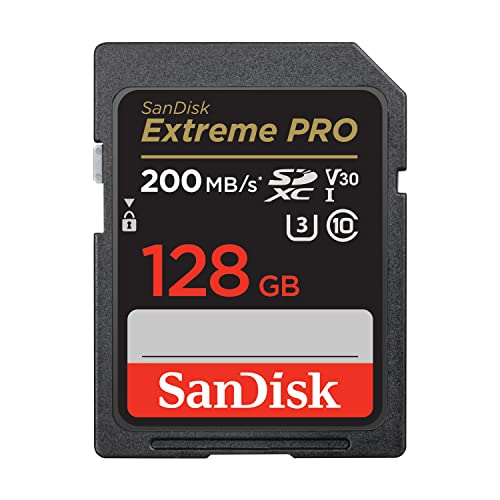
Best for professional cameras with high-bandwidth needs. Features include up to 200 MB/s read speeds powered by SanDisk QuickFlow Technology and write speeds up to 90 MB/s. Also promotes maximum speeds with compatible reader gear. Ideal for photographers and videographers who offload large 4K files quickly. Caution: actual speeds depend on host device capabilities and conditions.
Who this is best for: Professionals using high-end DSLR or mirrorless bodies that support 4K recording and fast offloads.
Why chosen: Highest listed read speeds among the five cards, strong potential for rapid transfers, with QuickFlow technology.
Limitations: QuickFlow may be unavailable on some capacities and requires compatible devices to achieve peak speeds.
Sandisk 256GB Extreme PRO SDXC UHS-I Memory Card

Best for users needing large capacity with robust speed. Offload speeds claim up to 200 MB/s read and up to 140 MB/s write for 256GB variants. Engineered to exceed UHS-I performance, with Pro-Reader compatibility suggested for maximum throughput.
Who this is best for: Filmmakers and enthusiasts who shoot long 4K sessions and require fast backups.
Why chosen: High capacity paired with strong sustained write speeds.
Limitations: Real-world speeds vary by device, card format, and workflow.
Sandisk 256GB Extreme SDXC UHS-I Memory Card

Better for 4K video shooters who need solid performance at a mid-to-high capacity. Features include up to 200 MB/s read and up to 140 MB/s write speeds, with QuickFlow compatibility for faster transfers when paired with supported hardware.
Who this is best for: Videographers who want reliable 4K capture without breaking the bank.
Why chosen: Balanced speed and capacity for daily 4K workflows.
Limitations: QuickFlow availability varies by capacity and device compatibility.
TEAMGROUP GO Card 256GB MicroSDXC UHS-I U3 V30

Best for action cameras, drones, and outdoor use. Read speeds up to 100 MB/s and write speeds up to 50 MB/s. It’s designed to withstand harsh conditions and includes protective features such as waterproofing, dustproofing, and cold resistance.
Who this is best for: Outdoor videographers and vloggers who need a rugged card.
Why chosen: Eco-friendly and durable design with reliable 4K support.
Limitations: Lower write speed may affect high-bitrate 4K recording on advanced rigs.
Gigastone 128GB Micro SD Card 2-Pack

Best for mixed-use kits where multiple cards are beneficial. This card offers up to 95 MB/s read and 40 MB/s write speeds, with exFAT formatting and a note on formatting for older devices. Ideal for dash cams, security cameras, and moderate 4K recording.
Who this is best for: Budget-conscious buyers needing multiple cards for ongoing projects.
Why chosen: Value pack with suitable performance for standard 4K workflows.
Limitations: Lower write speeds compared with premium Sandisk models; format requirements may vary by device.
Buying Guide
What to consider when choosing 4K camera memory cards:
- Capacity: Choose based on how long you record. Longer shoots require larger cards (128 GB, 256 GB or more).
- Speed class: For 4K recording, look for C10, U3, and V30 at a minimum to ensure sustained write performance.
- Read vs. write speeds: High read speeds improve offload times; write speeds affect on-camera recording stability.
- Durability: Waterproof, dustproof, temperature resistance, and X-ray proof features are valuable for outdoor use and travel.
- Compatibility: Some speeds require compatible devices (readers, cameras) to reach peak performance.
- Formatting: Some cards ship exFAT; older cameras may require FAT32 formatting to recognize the full capacity.
Practical choice paths:
- Best for professionals needing the fastest offload: 128 GB or 256 GB Extreme PRO SDXC with high sustained write speeds.
- Best for action cameras and drones in rugged environments: 256 GB MicroSDXC with U3 and V30, plus rugged protection.
- Best value for 4K recording on a budget: 256 GB Extreme SDXC with solid performance and capacity.
FAQ
- Q: Do I need a UHS-I card for 4K recording? A: Yes, UHS-I with at least U3/V30 is recommended for reliable 4K capture.
- Q: Can I use microSD cards in cameras that require full-size SD? A: Many microSD cards come with adapters; confirm your device supports the combined speed and capacity.
- Q: Do faster cards always mean better video quality? A: Faster cards improve reliability and workflow efficiency but do not affect video quality directly.
- Q: Is exFAT formatting required? A: Most 4K-capable devices support exFAT; some older devices may require FAT32 for full compatibility.
- Q: Should I buy more than one card for long shoots? A: Yes, having multiple cards reduces risk of data loss and enables continuous recording with swaps.
- Q: Are these cards water or shock resistant? A: Several models advertise waterproof, dustproof, and temperature-resistant features, especially those designed for outdoor use.