Best 50 Mm 1.4 Lens: A Practical Guide to Top Options for Every System
The 50 mm f/1.4 category remains a favorite for portraiture, street, and low-light work. This guide highlights five standout lenses across major brands, focusing on image quality, autofocus performance, and build durability. Each entry includes key features to help you compare quickly and decide which lens best fits your camera system and shooting style.
Summary of Selected Lenses
| Lens | Brand | System | Key Strengths |
|---|---|---|---|
| Sony FE 50mm F1.4 GM | Sony | Full-Frame E | Exceptional sharpness, smooth bokeh, fast AF |
| Canon RF50mm F1.4 L VCM | Canon | RF | Hybrid iris, Nano USM, reliable weather sealing |
| Nikon NIKKOR Z 50mm f/1.4 | Nikon | Z Mount | Lightweight, quiet AF, strong Z performance |
| Canon EF 50mm f/1.4 USM | Canon | EF | Classic performance, fast USM, solid image quality |
| Sony FE 50mm f/1.4 GM (Alternative) | Sony | Full-Frame E | Premium optical design, excellent color rendition |
Sony FE 50mm F1.4 GM Lens (Sony E)
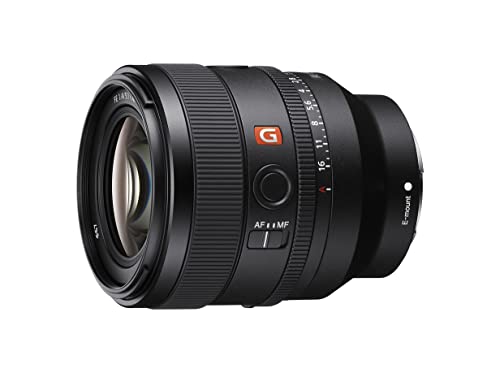
The Sony FE 50mm F1.4 GM delivers top-tier image quality with edge-to-edge sharpness and a large F1.4 aperture that produces creamy bokeh. Its compact, lightweight design suits everyday carry and travel. The lens uses advanced optics to minimize aberrations, delivering high color fidelity and contrast across the frame. Its two XD Linear AF motors provide fast, precise autofocus suitable for portraits, events, and video work. The internal focus keeps dimensions compact and improves stability during handheld shooting.
Important specifications and strengths include: breathtaking G Master image quality, a large aperture for shallow depth of field, and a user-friendly balance of mobility and performance. Photographers who value professional-grade resolution and reliable AF in low light will appreciate this lens. A robust, weather-protected build helps it perform in challenging environments. Overall, this is a premium choice for Sony shooters seeking top-tier sharpness and bokeh control.
Canon RF50mm F1.4 L VCM

The Canon RF50mm F1.4 L VCM blends RF’s modern optical design with a versatile iris control, offering manual iris adjustments via an iris ring for precise exposure changes. It uses Nano USM for smooth, silent focus transitions and a Voice Coil Motor for reliable rear focusing in video contexts. This lens is built to endure demanding shooting conditions with weather-resistant construction, a hallmark of Canon’s L-series. Its hybrid autofocus and robust control system support both stills and video, making it a solid choice for hybrid creators who shoot in variable environments.
Key advantages include flexible manual control, reliable autofocus with minimal noise, and durable build quality. The lens is well-suited for documentary work, events, and street photography where quick, precise focus is essential and where resilient equipment is valued. While premium-priced, its feature set justifies the investment for Canon ecosystems and video work that benefits from smooth, quiet focusing.
Canon EF 50mm f/1.4 USM Standard and Medium Telephoto Lens

This Canon EF 50mm f/1.4 USM remains a staple for Canon DSLRs, offering a classic combination of fast aperture and versatile focal length. The USM autofocus system provides quick, precise focusing with minimal noise, making it suitable for street photography, portraits, and low-light shooting. With an 8-blade diaphragm and a respectable minimum focusing distance, it produces pleasing bokeh and subject isolation. The lens is a reliable option for photographers working within an established Canon EF system or for those seeking a long-standing, widely supported 50mm option.
Highlights include robust image quality, enduring performance, and a familiar, time-tested design. It represents a practical balance of performance and cost for photographers who value compatibility with older Canon bodies and a broad ecosystem of accessories. This lens remains a relevant option for those who do not require the most modern AF systems but want dependable results.
Nikon NIKKOR Z 50mm f/1.4

The Nikon NIKKOR Z 50mm f/1.4 is a lightweight option that excels on Z-series mirrorless bodies. It delivers strong optical performance with minimal focus breathing, making it a good choice for video work and static shoots. The lens uses a multi-focus STM motor to minimize audible noise and maintain smooth autofocus, which is beneficial for interviews or vlogs. With its 75mm-equivalent field of view on APS-C formats, this lens offers a flexible framing option across Nikon’s Z lineup.
Performance considerations include its balance of optical sharpness and weight, the quiet autofocus system, and the benefits of native Z-mount integration. The lens is well-suited for portraiture, street scenes, and documentary work where a natural perspective and reliable AF are important. While it may not feature the absolute fastest AF in all lighting, its overall imaging quality makes it a strong candidate for Nikon shooters seeking a dedicated 50mm prime.
Nikon AF-S FX NIKKOR 50mm f/1.4G

The Nikon AF-S 50mm f/1.4G offers classic F-mount versatility with a fast maximum aperture suitable for low-light capture and shallow depth of field. The built-in ultrasonic motor provides responsive autofocus, while the minimal focusing distance supports close-up work. This lens maintains solid sharpness across the frame and is a dependable choice for Nikon DSLR users who want a luminous prime for everyday photography, portraits, and street scenes.
Considerations for this lens include compatibility with older Nikon bodies and the availability of high-quality, time-tested performance. It is an excellent option for photographers who value classic Nikon optics, straightforward operation, and broad lens availability within the F-mount ecosystem.
Buying Guide: Key Purchase Considerations And Comparisons
- Camera system compatibility: Ensure the lens mount matches your camera (Sony E, Canon RF/EF, Nikon Z/FX). Native lenses generally deliver better autofocus performance and stabilization integration.
- Aperture and depth of field: A constant f/1.4 aperture provides strong low-light performance and shallow depth of field, but autofocus speed and accuracy at wide open vary by model. Consider how important bokeh and subject isolation are for your work.
- Autofocus system: Look for lenses with fast, quiet AF for video work and candid photography. Some lenses use dual XD motors or Nano USM for improved performance; this is a deciding factor for action and event shooting.
- Build quality and weather sealing: For outdoor or travel use, a robust build and weather sealing add value, especially on Canon L-series and Sony G Master lines.
- Image quality characteristics: Sharpness, color rendering, and control of chromatic aberrations influence overall image quality. Some lenses render skin tones more naturally, while others emphasize sharpness at the edges.
- Weight and handling: Lighter, compact designs are easier to carry for long shoots, but may trade some stabilization or handling features. Consider a balance between portability and performance.
- Video performance: If you shoot video, look for silent AF, smooth focus transitions, and minimal focus hunting. Some lenses offer iris rings or manual focus aids that benefit video workflows.
- Cost and ecosystem: While premium lenses deliver top-tier results, consider whether the price aligns with your usage, and whether you already own compatible bodies and accessories.
- Future-proofing: If you anticipate upgrading bodies, choosing a lens with robust optical performance and good resale value can be advantageous.
- Alternative options: The 50 mm f/1.4 family includes both native and existing EF/S/Canon DSLR or Nikon mount options. If you’re open to different brands, compare AF behavior, bokeh quality, and framing on your target camera.
In sum, the five lenses presented here cover a range of systems and priorities—from Sony’s premium G Master to Canon’s versatile RF models and Nikon’s Z-line—each delivering the reliable performance expected of a fast 50 mm prime. Your best choice depends on your camera system, budget, and how you intend to use the lens for portraits, street photography, or video work.