Best Astrophotography Cameras for Beginners: Start Capturing Planets, Moon, and Skies
Getting started with astrophotography can be exciting and approachable with the right beginner-friendly cameras. The following picks are compact, easy to use, and provide solid image quality for lunar, planetary, and wide-field captures. Each option emphasizes plug-and-play setup, reliable performance, and compatibility with common software. Use them with entry-level telescopes or tracking mounts to begin building your night-sky portfolio.
| Product | Brand | Key Benefit |
|---|---|---|
| SVBONY SV105 Telescope Camera | SVBONY | Ideal entry-level eyepiece camera for beginners; quick video capture |
| SVBONY SV205 Astrophotography Camera | SVBONY | 2K/1080p video with USB 3.0 and low-light clarity |
| SVBONY SV305C Astrophotography Camera | SVBONY | IMX662 sensor, strong planetary and lunar performance |
| Sky-Watcher Star Adventurer 2i Pro Pack | Sky-Watcher | Portable tracking for wide-field nightscapes and timelapses |
| SVBONY SV305C Pro Telescope Camera | SVBONY | High-sensitivity 2MP sensor with fast USB 3.0 transfer |
SVBONY SV105 Telescope Camera
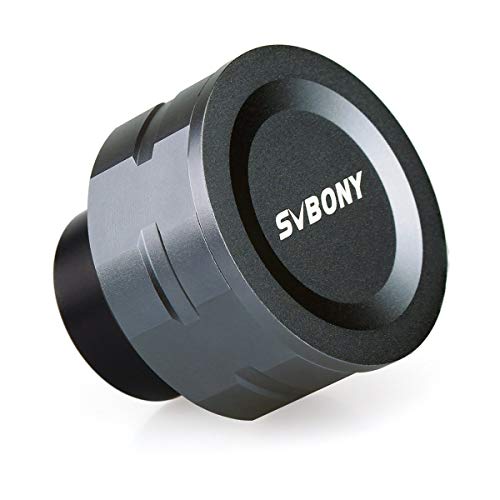
The SV105 is a basic entry point for astronomical imaging. It functions as an electronic eyepiece suitable for beginners who want to explore planetary and lunar photography. Users can record quick videos by simply pointing at the Moon or planets, then transferring footage to a laptop or PC. It supports plug-and-play operation with no driver required and works with Windows via Sharpcap Capture, Linux with AstroDMx Capture, and Android via USB Camera.
SVBONY SV205 Astrophotography Camera
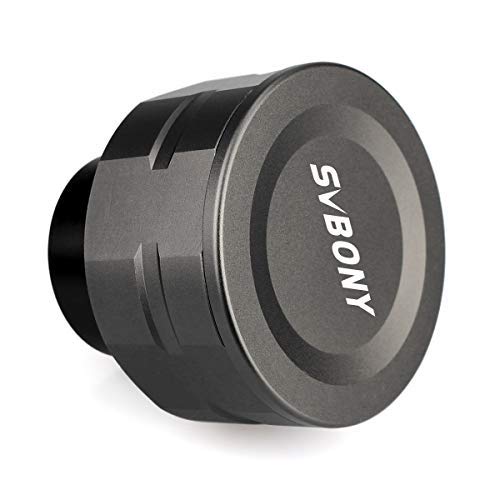
The SV205 offers plug-and-play simplicity with real-time dynamic observation and a low-light optimized image sensor. It supports MJPG at 2K resolution (1920×1080) and YUV uncompressed formats, delivering up to 30FPS. The camera enables quick recording and easy sharing of planetary, lunar, and terrestrial views to a PC, making it a practical step up for beginners who want smoother video and clearer detail.
SVBONY SV305C Astrophotography Camera

The SV305C uses the IMX662 sensor, a 1/2.8” back-illuminated design with a 2.9µm pixel size, delivering improved light sensitivity and reduced overexposure. It performs well for planetary and lunar photography and is well-suited for EAA (Electronically Assisted Astronomy). Low readout noise supports clearer images, especially in red spectral regions, enhancing performance on faint targets.
Sky-Watcher Star Adventurer 2i Pro Pack
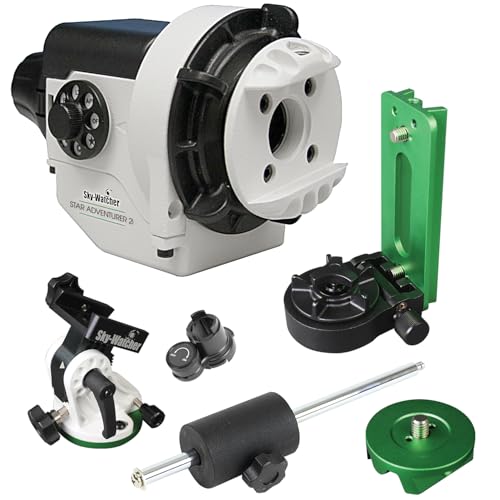
The Star Adventurer 2i Pro Pack is a portable motorized tracking platform designed for nightscape photography, time-lapse, and panoramic shots. It supports wide-field astrophotography by integrating with standard tripods and includes Wi-Fi for smartphone control via the SAM Console app. Its modular design broadens creative possibilities for beginners venturing into long-exposure star trails, Milky Way shots, and eclipse captures.
SVBONY SV305C Pro Telescope Camera

The SV305C Pro builds on the standard SV305C with USB 3.0 high-speed transmission and a 2MP IMX662 sensor, plus a 128MB DDR buffer for smoother live view and faster saving. It is designed for enhanced planetary imaging with high sensitivity, allowing sharper, more detailed captures of fast-moving planets and lunar features. The camera maintains low readout noise, contributing to clearer results in challenging lighting.
Buying Guide
- Sensor and resolution: Begin with cameras offering 1.0–2.0 MP sensors for easy processing and good low-light performance. Higher resolution helps detail but demands more processing power and longer stacking times.
- Connectivity and speed: USB 3.0 or higher is preferred for real-time video and smooth image transfer. Consider cameras with DDR buffers to minimize lag during live viewing.
- Low-light performance: Look for back-illuminated sensors and low readout noise. These features improve planetary detail and reduce noise in moonlit scenes.
- Software compatibility: Ensure compatibility with common astronomy software (SharpCap, AstroDMx Capture, etc.) and your operating system (Windows, Linux, Android).
- Ease of use: Prioritize plug-and-play devices that require minimal drivers. For beginners, built-in software support and straightforward setup save time.
- Portability and setup: A lightweight, compact camera pairs well with small telescopes and portable tracking mounts for field use and travel photography.
- Upgrade path: Consider cameras that offer incremental improvements (e.g., from basic eyepiece cameras to higher-sensitivity sensors) to grow with your skills.
- Accessories: Check for bundled filters, IR-cut options, or removable IR filters that can help with light pollution and color accuracy in planetary imaging.
These selections present a range of beginner-friendly options that balance ease of use with meaningful image quality. When choosing, align your goals with target objects (Moon, planets, Milky Way) and your expanding setup (eyepiece camera vs. dedicated astrophotography camera).