Best Binoculars With Image Stabilization for Clear, Shake-Free Viewing
In search of binoculars that deliver steady, blur-free views? These image-stabilized models reduce hand shake and camera shake, making them ideal for birdwatching, hunting, sports, and travel. The top picks below are chosen for different use cases—compact portability, high magnification, all-weather durability, and versatile zoom. Best for birders who need stability on the move, travelers seeking light gear, and outdoor enthusiasts who demand clarity in variable light.
Summary of selected products:
- Canon 12×36 Image Stabilization III Binoculars — best for compact, shake-free stability with high magnification.
- Canon 10×30 Image Stabilization II Binoculars — best for lightweight versatility and everyday viewing.
- Nikon STABILIZED 12×25 Binoculars — best for electronic stabilization and rugged travel use.
- Canon 18×50 Image Stabilization All-Weather Binoculars — best for higher magnification in demanding outdoor conditions.
- Sig Sauer Zulu6 HDX 16x42mm — best for advanced stabilization in tactical or wide-scope viewing.
Canon 12×36 Image Stabilization III Binoculars

Best for: hikers or birdwatchers who want strong magnification in a compact package. These 12×36 IS binoculars deliver stabilized images using Canon’s proven IS technology, equivalent to Canon EF lens stabilization, in a portable body.
Why selected: The combination of high 12x magnification and compact design suits field use where weight and balance matter. The stabilization helps maintain a clear image during handheld viewing, reducing fatigue over long sessions.
Limitations: Higher magnification can exaggerate depth of field changes; steady hand or rest may still help in very low light. Use with appropriate eye relief for comfort if you wear glasses.
Canon 10×30 Image Stabilization II Binoculars

Best for: travelers and casual observers who prioritize lightness and ease of handling. The 10×30 IS II provides effective stabilization in a compact form, suitable for birdwatching, travel, and sports events.
Why selected: Its portability makes it a strong everyday carry option. The IS system helps reduce shake, enabling steadier views at a moderate magnification.
Limitations: Slightly less reach than higher-magnification models; best used in daytime settings where light is plentiful.
Nikon STABILIZED 12×25 Binoculars
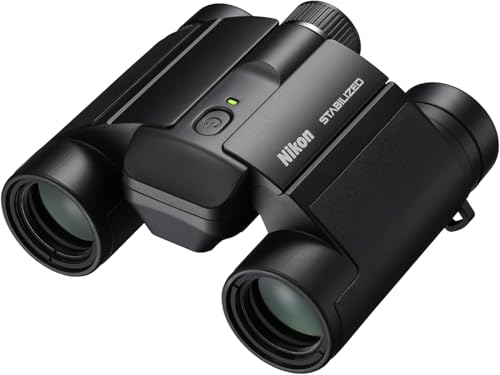
Best for: travelers and outdoor enthusiasts who need solid stabilization on the go. Electronic image stabilization helps maintain a steady view during handheld use.
Why selected: The 12×25 configuration offers comfortable handling with a stable image thanks to electronic stabilization, making it suitable for concerts, birding, and sightseeing where movement is frequent.
Limitations: Electronic stabilization can slightly reduce brightness in low light; best used in daylight or well-lit environments.
Canon 18×50 Image Stabilization All-Weather Binoculars

Best for: wildlife observers and outdoor professionals who need higher magnification with weather resistance. The 18×50 configuration provides detailed views from a distance.
Why selected: Built-in optical stabilization with a robust body supports extended field sessions in varied weather conditions. The larger objective improves brightness in stable light.
Limitations: Higher magnification means a narrower field of view and increased sensitivity to shake; tripod use is often beneficial for stationary viewing.
Sig Sauer Zulu6 HDX OIS 16×42 Binoculars

Best for: serious glassing and tactical observation where stable, high-midelity images are essential. The Zulu6 HDX uses SIG SAUER’s OIS technology for improved stability.
Why selected: The optical stabilization system is designed to maintain a steady view at higher magnifications, with HDX lenses for enhanced light transmission and clarity. This model is well-suited for long-range monitoring and field scouting.
Limitations: Higher 16x magnification may require steadier hands or a support; some users may prefer more compact options for travel.
Buying Guide
What should you look for when choosing image-stabilized binoculars?
- Magnification and objective size: Higher magnification (12x–18x) provides more detail but can be harder to hold steady; larger objectives boost brightness but add weight. Choose a balance for your typical viewing distance and environment.
- Image stabilization type: Optical IS (in-lens) reduces shake through optical elements; electronic IS uses sensor-based stabilization, sometimes with drawbacks in brightness. Consider your typical activities and lighting.
- Build quality and weather sealing: All-weather or waterproof models protect against humidity, rain, and dust—crucial for outdoor use and travel.
- Field of view and eye relief: A wider field of view helps locate subjects quickly; good eye relief matters for users who wear glasses.
- Weight and ergonomics: Lighter models excel for hiking; consider a neck strap, harness, or tripod compatibility for prolonged sessions.
- Maintenance and accessories: Padded cases, lens caps, and cleaning cloths extend life and maintain clarity over time.
Practical buying considerations
- For birding on the move, prioritize compact, stabilized binoculars with moderate magnification (8x–12x) for ease of use and quick focus.
- For distance viewing or scouting, higher magnification (12x–18x) benefits from a stable mount or tripod to maximize image clarity.
- All-weather models are preferable for outdoor adventures; consider weather seals and grip comfort in rough conditions.
FAQ
- What is image stabilization in binoculars? It is a feature that reduces hand shake to produce steadier images, improving clarity during handheld viewing.
- Which magnification is best for beginners? An 8x to 10x range offers a balance of field of view, brightness, and stability for most casual uses.
- Do I need a tripod for stabilized binoculars? Not always, but high-magnification models (12x and above) often benefit from a tripod or stable resting surface.
- Are all-weather binoculars worth it? Yes, if you plan to use them outside in varying weather conditions; they protect optics and maintain clarity.
- What should I consider about eye relief? If you wear glasses, ensure the model has adequate eye relief to provide full field of view without discomfort.
- How do I maintain image clarity? Keep lenses clean with a soft cloth and avoid touching the lenses with fingers; store in a protective case.