Best Camera and Memory Card Guide for 2026
Choosing the right memory card is essential for reliable photo and video capture across cameras, drones, and action cams. This guide highlights five high-performing options from SanDisk and a versatile Amazon Basics microSD, organized to help you compare speeds, capacities, and use cases—from 4K recording to rapid offloads. Each product includes practical strengths to fit common shooting scenarios, plus a concise buying guide to match your gear with the right card.
| Product | Capacity | Key Speed/Feature |
|---|---|---|
| SanDisk 128GB Extreme PRO SDXC UHS-I | 128GB | Up to 200MB/s read; UHS-I, V30, 4K ready |
| SanDisk 256GB Extreme PRO SDXC UHS-I | 256GB | Up to 180–200MB/s read; 130MB/s write; 4K support |
| SanDisk 128GB Ultra SDXC UHS-I | 128GB | Up to 100MB/s read; reliable Full HD |
| SanDisk 256GB Extreme PRO SDXC UHS-II | 256GB | Up to 300MB/s read/write; 8K/4K readiness |
| Amazon Basics Micro SDXC 128GB | 128GB | Read up to 100MB/s; UHS Speed Class 3/A2 |
SanDisk 128GB Extreme PRO SDXC UHS-I Memory Card
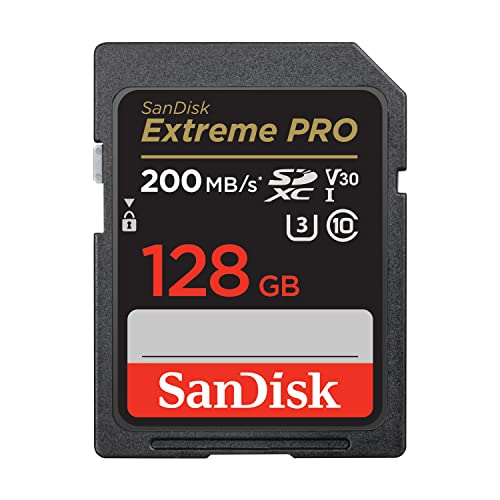
The 128GB Extreme PRO SDXC UHS-I card from SanDisk targets professionals who demand fast offloads and dependable performance. It supports offload speeds up to 200MB/s with SanDisk QuickFlow technology, designed to accelerate data transfer from card to computer or dock. The card is rated C10, U3, and V30, making it suitable for 4K UHD recording and high-bitrate video, while its high read speed helps with rapid review and editing workflows. Note that real-world performance depends on the host device, interface, and usage conditions, and QuickFlow is available on select capacities.
Key considerations include compatibility with cameras and readers, especially when pairing with professional readers like the SanDisk PRO-READER SD. The 128GB capacity offers ample space for extended shoots, but workflows with larger libraries or higher frame-rate footage may benefit from higher capacity models. The card’s rugged design and branded software ecosystem provide a reliable foundation for fieldwork.
SanDisk 256GB Ultra SDXC UHS-I Memory Card

The 256GB Ultra SDXC card offers a balance between capacity and speed for everyday photography and Full HD video. With up to 150MB/s read speed and a robust 256GB capacity, it provides plenty of room for large photo libraries and long video sessions. While not intended for the highest-end cinema-grade work, this card is well-suited for compact to mid-range cameras and point-and-shoots, delivering reliable performance for routine shooting scenarios. Actual speeds can vary based on device and file types.
Consider this card if you want a cost-effective option with ample space for travel photography, daily event shoots, or hobbyist videography. It’s compatible with a wide range of devices and is a dependable choice when you need a straightforward memory solution without specialized speeds. For higher frame-rate 4K capture, you might explore faster PRO-series variants.
SanDisk 256GB Extreme PRO SDXC UHS-I Memory Card

This 256GB Extreme PRO memory card emphasizes fast offloads and sustained performance with write speeds up to 130MB/s and read speeds up to 180MB/s. It features SanDisk QuickFlow technology (available on select capacities) and is designed for high-bitrate 4K video workflows. The card pairs well with professional readers to unlock maximum throughput, especially when paired with the SanDisk PRO-READER SD and microSD (sold separately). Durability and compatibility make it a solid choice for seasoned shooters who routinely work with large files.
When evaluating, consider your camera’s write speed and buffer depth. If your workflow features extended 4K footage or RAW bursts, this card’s high write capability can help minimize downtime between takes. It’s also important to ensure your reader and host device can sustain the advertised speeds to realize the full benefit of QuickFlow technology.
Amazon Basics Micro SDXC Memory Card

The Amazon Basics Micro SDXC card combines versatility and broad device compatibility with solid performance for everyday tasks. Rated U3 and A2, it is suitable for apps and high-resolution photography on smartphones, tablets, drones, and action cameras. The 128GB capacity balances file storage with portability, and the included full-size adapter helps with laptops and card readers that require a standard SD slot. Real-world transfer speeds can vary, but the card remains a practical option for casual creators and travelers who need dependable storage on the go.
When selecting this card, assess the device ecosystem you operate in: smartphone apps, action cams, and basic cameras benefit from U3/A2 performance, while some high-end DSLRs and cinema-grade workflows may demand higher-end PRO cards for maximum buffer clearance and sustained write performance.
Buying Guide: Key Purchase Considerations
- Speed class and performance: Look for C10/U3 and V30 for 4K video, V60 or V90 for higher-bitrate work, and UHS-I vs UHS-II depending on your camera’s support. Read/write speeds determine how quickly data can be written and offloaded.
- Capacity needs: Choose capacity based on your typical shoot length and whether you back up on location. Higher capacities reduce the need to swap cards but come at a higher cost.
- Device compatibility: Verify that your camera, drone, or action camera supports the card’s speed class and interface. Some devices can reach speeds beyond listed ratings with optimized readers.
- Reader and workflow: If you offload with a dedicated reader (like SanDisk PRO-READER), you may realize higher sustained speeds. Factor in the reader’s compatibility with UHS-I, UHS-II, and microSD adapters as needed.
- Durability and reliability: Consider ruggedized design for field use, including resistance to water, temperature, and shock. SanDisk PRO cards often pair with professional-grade readers for demanding environments.
- Budget and value: Higher-capacity PRO cards deliver capacity and speed, but for casual use, Ultra or Amazon Basics options can provide strong value with adequate performance.
- Future-ready options: If you’re upgrading gear or planning 8K or higher-frame-rate capture in the coming years, prioritize UHS-II or newer standards and larger capacities for long-term compatibility.
In summary, tailor your memory card choice to your camera’s capabilities and your typical shooting style. For professional 4K/8K workflows, higher-end PRO cards with UHS-II and robust write speeds are ideal, while Ultra and Basics lines serve broader, budget-conscious usage. Always pair with a compliant reader and validate performance in your actual workflow to ensure dependable capture and quick data access.