Best Memory Cards for Digital Cameras: Fast, Reliable Options
Choosing the right memory card is essential for capturing high-quality photos and smooth 4K video. This guide highlights top options for digital cameras, focusing on speed, capacity, and reliability. Each card supports modern camera features like quick offloads and solid write speeds, helping you minimize interruptions during shoots. Below is a quick summary of five standout picks to help you compare at a glance.
| Product | Brand | Capacity | Type | Notable Feature |
|---|---|---|---|---|
| SanDisk 128GB Extreme PRO | SanDisk | 128GB | SDXC UHS-I | Up to 200MB/s read, 90MB/s write |
| SanDisk 128GB Ultra | SanDisk | 128GB | SDXC UHS-I | Up to 100MB/s read, Full HD readiness |
| SanDisk 256GB Extreme | SanDisk | 256GB | SDXC UHS-I | Up to 180MB/s read, 130MB/s write |
| SanDisk 256GB Ultra | SanDisk | 256GB | SDXC UHS-I | Up to 150MB/s read |
| KODAK 128GB UHS-I Premium | KODAK | 128GB | SDXC UHS-I | Up to 85MB/s read |
These cards are selected for varied shooting needs—from fast raw bursts to steady 4K video. When picking, consider camera compatibility, maximum supported write speeds, and the balance between capacity and price. The sections below offer detailed looks at each option, including how their features translate into real-world performance.
SanDisk 128GB Extreme PRO SDXC
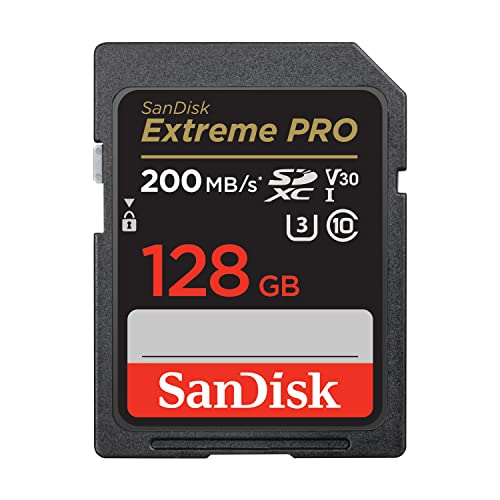
The SanDisk Extreme PRO SDXC UHS-I card is designed for demanding photography and 4K video workflows. It offers high offload speeds with SanDisk QuickFlow Technology and up to 200MB/s read speeds, helping reduce downtime between shots. The card is intended for users who need fast transfers to large-capacity editors or external readers, and it pairs well with high-performance readers such as the SanDisk Professional PRO-READER SD and microSD models (sold separately). Write speeds reach up to 90MB/s in typical scenarios, supporting sustained recording for action and wildlife photography.
Key considerations include the need for a compatible host device and reader to unleash the maximum speeds. Real-world performance can vary based on device capabilities, file types, and system overhead. The card’s 128GB capacity is a solid mid-to-high range choice for serious enthusiasts who shoot RAW and 4K.
SanDisk 128GB Ultra SDXC UHS-I
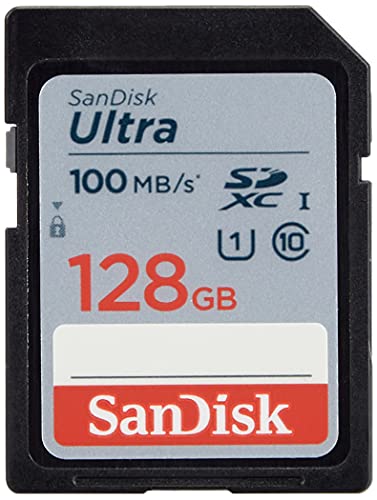
The SanDisk Ultra SDXC UHS-I card offers dependable performance for everyday photography and Full HD video. With up to 100MB/s read speeds, it can handle rapid shooting and quick image transfers to a computer. This card is well-suited for compact to mid-range point-and-shoot cameras and is available in capacities from 32GB to 256GB, giving photographers room to grow without frequent card swaps. It provides a reliable balance of speed and value for hobbyists and travelers who prioritize ease of use and broad compatibility.
While not the absolute fastest option, the Ultra line emphasizes practical performance with straightforward operation. Users should consider their typical file sizes and whether 100MB/s write speeds are sufficient for their shooting style and editing workflow.
SanDisk 256GB Extreme SDXC UHS-I

The 256GB Extreme card emphasizes speed for high-demand scenarios. It delivers up to 180MB/s read and 130MB/s write speeds, benefitting 4K recording and rapid offloads to editors or external storage. The card’s QuickFlow technology, available on selected capacities, accelerates file transfers and minimizes downtime during shoots. It is especially useful for photographers who shoot RAW bursts and videographers who need reliable sustained write performance.
When evaluating this option, verify camera compatibility with UHS-I interfaces and ensure your reader supports the high transfer rates. The increased capacity is ideal for sessions with lengthy shoots, events, or travel where card changes are less frequent.
SanDisk 256GB Ultra SDXC UHS-I

The SanDisk 256GB Ultra SDXC UHS-I card combines ample capacity with solid transfer speeds—up to 150MB/s read. This makes it a strong candidate for photographers who shoot in high-resolution modes and need room to store a large number of images or longer Full HD videos without swapping cards frequently. The card is designed for everyday reliability and broad compatibility with many cameras that support SDXC UHS-I media.
Consider your typical file sizes and whether a high-capacity card is necessary for extended sessions, travel portfolios, or multimedia projects that require more storage without compromising workflow speed.
KODAK 128GB UHS-I Premium

The Kodak 128GB Premium SDXC card offers a reliable balance of speed and capacity for full HD video and high-resolution stills. With read speeds up to 85MB/s and Class 10, this card is designed for smooth data transfer to a computer or SD-compatible devices. It is a practical option for photographers who want dependable performance in a broader range of cameras that support SDXC media. The 128GB capacity accommodates sizable media libraries and longer shooting sessions without frequent card changes.
As with other options, ensure your camera’s card support and verify that the selected capacity aligns with your workflow, editing software, and backup strategy. This card is well-suited for everyday photographers who value consistent performance and compatibility across devices.
Buying Guide: Key Purchase Considerations
Speed class and read/write performance: For 4K video and fast RAW bursts, prioritize UHS-I U3 or equivalent speeds and high sustained write rates. QuickFlow or similar technologies can boost real-world offload times but depend on your reader and host device.
Capacity needs: Choose capacity based on shooting habits. Multiday events or heavy video work may require 256GB or more, while casual photography can work well with 128GB. Remember that user-available space is slightly less than labeled capacity.
Compatibility: Verify your camera’s supported card type (SD, SDXC, UHS-I) and the maximum card size it can handle. Check reader compatibility if you offload directly to a computer or external drive.
Durability and warranty: Look for ruggedized formats or brands offering reliable warranties, particularly for travel or outdoor shoots where cards may face harsh conditions.
Brand ecosystem and accessories: Some cards pair with high-performance readers or software that helps manage and recover data. Consider whether you want to invest in a complementary ecosystem for speed gains and recovery options.
Cost per gigabyte: Higher-speed, higher-capacity cards can have better long-term value for professional users. Compare price per gigabyte across capacities to determine the best fit for your budget and needs.