Best Digital Cameras for Astrophotography: Top Picks for Night Sky Imaging
Finding the right camera setup for astrophotography can feel daunting. This guide highlights five strong options that cover beginner-friendly interfaces, direct telescope compatibility, and flexible imaging modes. Each pick is well-suited to capturing lunar, planetary, and deep-sky targets, whether you’re stacking frames from a backyard telescope or shooting handheld night-sky scenes. The table below summarizes key attributes to help you compare at a glance.
| Product | Brand | Key Benefit |
|---|---|---|
| SVBONY SV105 Telescope Camera | SVBONY | Beginner-friendly eyepiece camera with real-time capture; plug and play |
| 64GB Digital Eyepiece Telescope Camera | Unalace | Built-in WiFi, 2K video, 16MP photos, smartphone control |
| Seestar S30 All-in-One | ZWO | Ultra-portable with automatic star-finding and dual lenses |
| SVBONY SV205 Astrophotography Camera | SVBONY | 2K/1080p capture with low-light optimization and driver-free setup |
| Kodak PIXPRO AZ528 | KODAK | Affordable astro-zoom capable compact camera |
SVBONY SV105 Telescope Camera
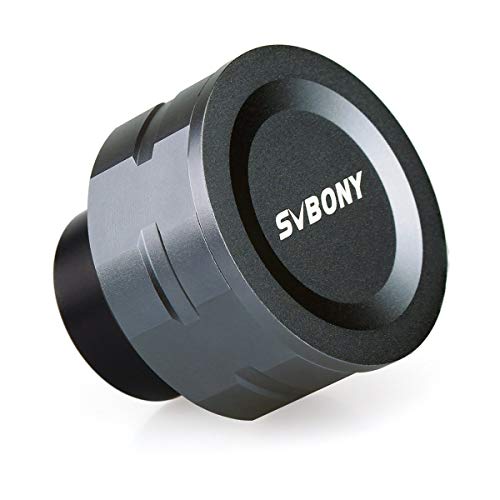
The SV105 is designed as an entry point for astronomical imaging. This 1.25″ IMX307 CMOS color camera functions as an electronic eyepiece, making it ideal for beginners who want to start imaging with a telescope. It supports lunar and planetary photography and can stream real-time views to a laptop or PC. With plug-and-play operation, no driver is required for basic use, and it can work with Sharpcap Capture on Windows, AstroDMx Capture on Linux, or USB Camera on Android. This camera helps users share quick, bright target views of the Moon and planets with minimal setup.
64GB Digital Eyepiece Telescope Camera with 2K Video

Unalace’s 64GB eyepiece camera combines a 2K HD video capability with a built-in WiFi hotspot for offline control. It supports a broad 25–50mm eyepiece range, offering a straightforward installation with no tools. The live view is accessible via the app, enabling remote framing and monitoring, while the 16MP still image capture provides high-resolution snapshots suitable for stacking or archiving observations. This unit is especially convenient for smartphone-based control and quick sharing during star-gazing sessions.
Seestar S30 All-in-One Smart Telescope
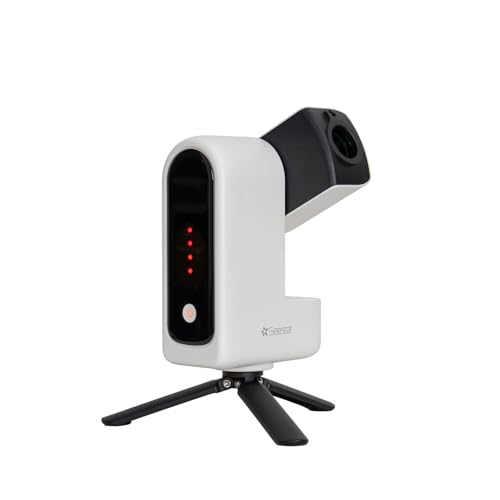
Seestar S30 from ZWO is a compact, portable smart telescope that prioritizes ease of use. It weighs about 3.6 pounds and includes automatic star-finding, precise tracking, and one-tap shooting via the integrated Seestar App. It features dual lenses—a telephoto and a wide-angle lens—helping users frame deep-sky targets or nightscapes before zooming in. The three shooting modes (Stargazing, Scenery, and Solar System) expand its versatility, making it suitable for both serious astrophotography experiments and casual night-sky photography in the field.
SVBONY SV205 Astrophotography Camera
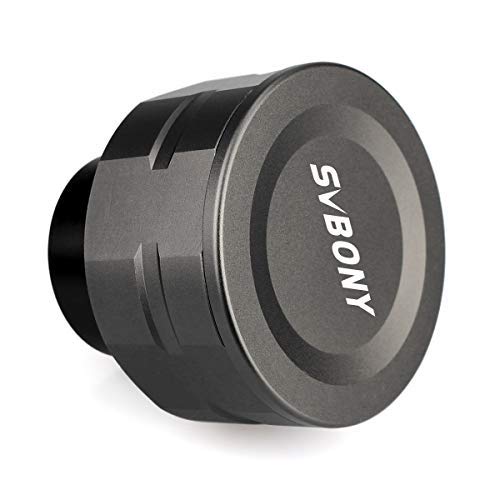
The SV205 is a step up in sensitivity and video capability. It operates in MJPG video mode and supports high frame rates up to 30FPS at 2K resolution, with an additional YUV uncompressed option. This model emphasizes low-light performance with dark-light compensation to reduce noise, providing clearer images of faint objects. It supports real-time streaming to a computer, making it suitable for planet campaigns, lunar imaging, and terrestrial target sharing with peers, all without requiring complex driver setups.
Kodak PIXPRO AZ528 Astro Zoom Bundle
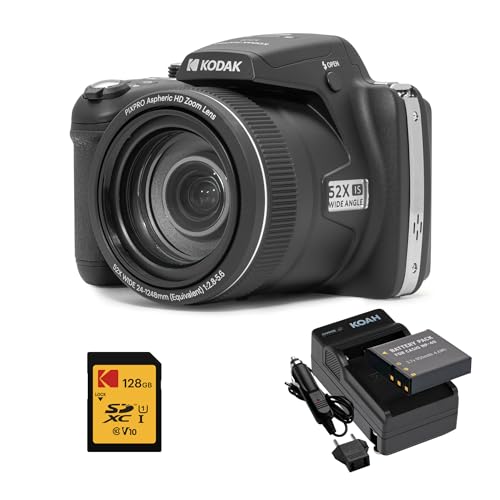
The Kodak PIXPRO AZ528 is a versatile option bundled with a 128GB SD Card and essential accessories. While primarily a general-purpose digital camera, its 52x optical zoom supports close-up moon or planetary shots when used with steady mounts. The bundle includes a wide-angle option and wireless compatibility with mobile devices for convenient transfers. It’s a practical entry point for hobbyists interested in trying astro-imaging without investing in specialized telescope-mounted gear.
Buying Guide: Key Factors For Astrophotography Cameras
- Sensor type and size: Larger sensors generally capture more light, reducing noise in low-light astrophotography. Consider sensors with good high-ISO performance and low dark noise.
- Pixel size and resolution: For planetary and lunar imaging, higher resolution helps with detail; for deep-sky imaging, signal-to-noise and stacking capabilities matter more than megapixel count.
- Interface and drive: Look for plug-and-play reliability, driver-free setup, and compatibility with common capture software (SharpCap, AstroDMx, etc.).
- Connectivity: Built-in WiFi and app control simplify field use; USB-C or USB 3.0 improves data transfer rates for video and image capture.
- Compatibility with telescopes: Check 1.25″ vs. 2″ interfaces, and whether the camera can attach to standard eyepieces or dedicated adapters.
- Video vs. stills: MJPG/2K/4K video can be valuable for real-time stacking and quick previews; 16MP+ stills support hi-resolution captures for later stacking.
- Software ecosystem: Confirm availability of compatible capture and processing software on Windows, macOS, or Linux, plus any required drivers or plugins.
- Portability vs. capability: Portable units (like the Seestar S30) ease field use, while more capable cameras may demand a more robust mount and power setup.
- Price and upgrade path: Start with a unit that matches your current scene targets and budget, and consider future upgrades (better sensors, cooling, or dedicated astronomy cameras) if you plan to expand.
- Support and community: Active user communities and manufacturer support can reduce setup friction and provide practical imaging tips.
Choosing the best camera for astrophotography involves balancing ease of use, target type, and budget. Beginners may favor plug-and-play, browser-based control, and real-time viewing, while more advanced users might prioritize low-light performance, stacking workflows, and modular upgrades. A compact, telescope-mounted option can simplify alignment and framing, whereas a versatile stand-alone unit offers flexible imaging approaches in varied environments. Consider starting with one of the beginner-friendly picks and gradually adding accessories such as dedicated adapters or light-pilters to broaden functionality.