Best Digital Camera Storage Cards for Fast, Reliable Performance
Choosing the right memory card is essential for photographers who need dependable storage, quick offloads, and smooth video recording. The following five SanDisk options represent a range of capacities and speeds suitable for compact cameras, DSLRs, and mirrorless bodies alike. Each card is evaluated for readability, write performance, and compatibility with high-resolution photos and 4K video. Use this guide to compare offload speeds, class ratings, and capacity needs for everyday shooting and travel freelance work.
Summary of selected products
| Product | Capacity | Key Speed Features | Ideal Use |
|---|---|---|---|
| SanDisk 128GB Extreme PRO SDXC UHS-I | 128GB | Up to 200MB/s read, 90MB/s write; UHS-I, V30, C10 | Professional photo bursts and 4K video |
| SanDisk 128GB Ultra SDXC UHS-I | 128GB | Up to 100MB/s read; C10, U1 | Everyday photography and Full HD video |
| SanDisk Ultra 64GB SDXC UHS-I | 64GB | Up to 80MB/s read; Class 10 | Compact point-and-shoot and sd video |
| SanDisk 256GB Extreme SDXC UHS-I | 256GB | Up to 180MB/s read, 130MB/s write; QuickFlow | 4K ready, fast offloads |
| SanDisk 256GB Ultra SDXC UHS-I | 256GB | Up to 150MB/s read; UHS-I | High-capacity travel photography |
SanDisk 128GB Extreme PRO SDXC UHS-I Memory Card
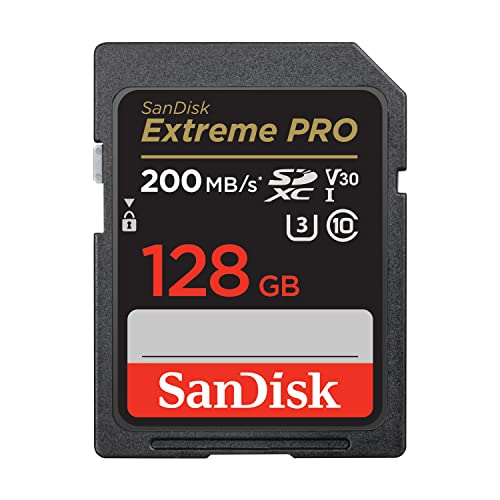
Features include high-speed offloads with SanDisk QuickFlow Technology, delivering up to 200MB/s read speeds and up to 90MB/s write speeds. Designed for 4K UHD capture and professional workflows, this card is optimized for compatible devices to reach peak performance. It pairs with SanDisk Professional PRO-READER SD and microSD for maximum throughput when used in suitable setups. While internal testing shows exceptional speeds, actual performance varies with host device and usage conditions.
SanDisk 128GB Ultra SDXC UHS-I Memory Card
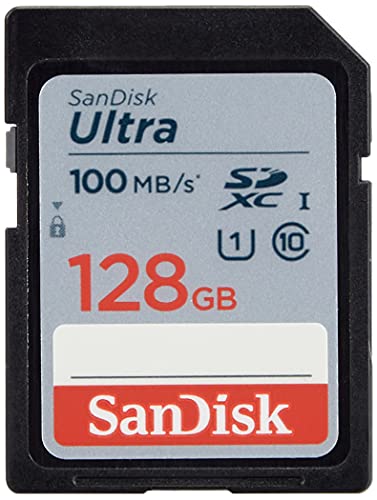
Balanced for everyday use, this Ultra card offers up to 100MB/s read speeds and is a solid choice for compact to mid-range point-and-shoot cameras. It supports Full HD video and general photography, with capacity options ranging from 32GB to 256GB. The card’s performance is suitable for everyday shooting scenarios where speed is less critical than reliability and capacity.
SanDisk Ultra 64GB Class 10 SDXC UHS-I

With a Class 10 rating and up to 80MB/s read speeds, this card is well-suited for compact cameras and camcorders that demand quick file transfers and reliable Full HD video recording. It is a cost-effective option for shooters who prioritize storage capacity and robustness for everyday travel and family photography.
Sandisk Ultra 128Gb SDXC UHS-I Class 10
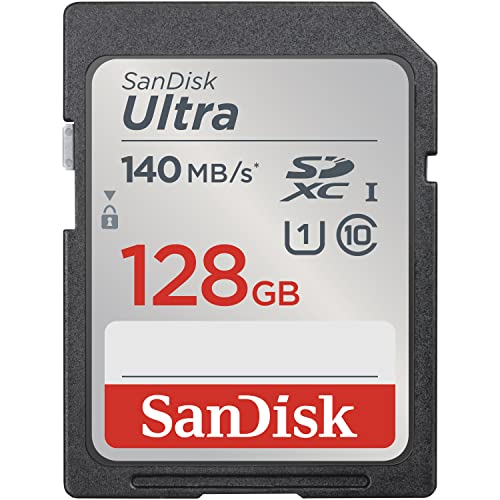
Designed for everyday photography with high-capacity options and fast transfer speeds up to 140MB/s read, this card is positioned for compact to mid-range cameras. It supports up to 128GB or more and emphasizes quick file transfers, making it a practical choice for photographers who shoot a lot of images and maintain organized archives.
Buying Guide: Key Purchase Considerations
When selecting a memory card for digital cameras, several factors affect performance and long-term satisfaction. Here are the critical considerations and how they apply to the options above.
- Speed ratings and class: Look for a card with at least U3 and V30 ratings if you shoot 4K video or high-frame-rate bursts. SanDisk Extreme PRO cards listed here offer high write speeds suitable for demanding workflows, while Ultra series provide strong everyday performance.
- Capacity needs: For travel and documentary work, 128GB to 256GB cards reduce the number of swaps between shoots. If you shoot RAW+JPEG bursts or 4K footage, higher capacity minimizes interruptions.
- Read vs. write speeds: Read speeds impact offload time to your computer, while write speeds affect real-time recording. For 4K video and rapid continuous shooting, prioritize higher write speeds (often labeled as MB/s Write).
- Device compatibility: Check your camera’s supported UHS speed class (I, II) and whether it can utilize faster speeds in practice. Some devices cannot reach advertised speeds due to bus limitations.
- Reliability and endurance: Reputable brands with QuickFlow or similar technologies typically provide consistent performance and data integrity. Backups and proper formatting help preserve data.
- Form factor and compatibility: SDXC is common for DSLRs and many mirrorless cameras, while microSD variants fit action cameras and small devices. Ensure you purchase the correct type for your gear.
- Warranty and support: A solid warranty and accessible customer support add confidence for professional use and long-term purchases.
In summary, the SanDisk Extreme PRO 128GB card is best for high-demand workflows requiring both fast offloads and reliable sustained write speeds. The Ultra series provides a cost-effective balance for everyday photography and Full HD video. The 256GB Extreme and Ultra options are ideal for photographers who shoot large raw files or longer sessions, reducing card swaps and ensuring ample buffer for processing.
Practical tips for optimizing memory card use
- Format cards in-camera before first use to ensure correct file structure for your device.
- Avoid filling cards to 100% to reduce the risk of data loss; leave a small buffer free.
- Use separate cards for stills and video when possible to minimize data overlap and simplify backups.
- Back up photos and videos promptly, especially after a shoot in remote locations.
- Keep spare cards and a reliable reader ready for on-the-go editing and review.