Best Digital Cameras With Internet Access for Vlogging and Sharing
In today’s connected world, a digital camera with internet access simplifies sharing, live streaming, and remote workflows. This guide highlights five capable models that blend high image quality with built-in WiFi, USB webcam modes, or easy cloud sharing. Each pick balances beginner friendliness with practical features for travel, content creation, and everyday capture.
Overview of chosen products:
- Ploomen 4K Digital Camera – 50MP Autofocus, 2.8″ Flip Screen, 16X Zoom, 64GB
- TEFTYMON 4K Digital Camera – 64MP, 3″ Flip Screen, 16X Zoom, WiFi, 32GB
- XNSIAKXA 8K Digital Camera – 88MP, Dual Lens, 3.2″ Touch Screen, WiFi
- Hoorola 5K Vlogging Camera – 80MP, Dual Screen, 18X Zoom
- CAMKORY 4K 64MP Digital Camera – Dual Lens, Auto Focus, 16X Zoom
Ploomen 4K Digital Camera With Vlog-Ready Features

The Ploomen camera captures ultra-clear 4K video at 30FPS and 50MP photos, delivering true-to-life color and detail. Its compact form makes it suitable for beginners and content creators who want professional-level performance without bulk. A key feature is the 2.8-inch IPS flip screen, enabling easy selfie framing and flexible shooting angles for vlogging, tutorials, and travel diaries. The built-in webcam mode supports quick streaming and plug-and-play transfers to a computer for editing or sharing.
TEFTYMON 4K Camera With WiFi And 64MP Imaging

The TEFTYMON model records in 4K and offers 64MP stills with autofocus for sharp portraits and landscapes. A 3.0-inch IPS flip screen supports self-recording, while a 16X digital zoom extends reach for distant subjects. A built-in flashlight helps with low-light shoots, and the built-in WiFi simplifies transferring files to a smartphone or cloud. This travel-friendly camera ships with two batteries and straps, making it a practical companion for on-the-go creators.
XNSIAKXA 8K Camera With Dual Lenses And WiFi

The XNSIAKXA offers 8K video and 88MP imagery, paired with a dual-lens setup for versatile framing. A 3.2-inch IPS touchscreen simplifies composition and live edits, while built-in WiFi enables quick sharing and streaming. The camera includes a 6-axis stabilization system to smooth out handheld footage, making it suitable for creators who require high-resolution output and dependable stabilization as they vlog or document travel moments.
aycy Kids Digital Camera With 4K And 48MP Imaging

This kid-friendly model delivers 48MP stills and 4K video with a simple interface designed for ages 5 to 13. Features include a built-in fill light, 16x digital zoom, anti-shake, and various filters to boost creativity. The compact, lightweight design and 64GB card make it ideal for vacations, school projects, or as a beginner introduction to photography. USB-C charging keeps it convenient for families on the move.
CAMKORY 4K 64MP Dual-Lens Digital Camera
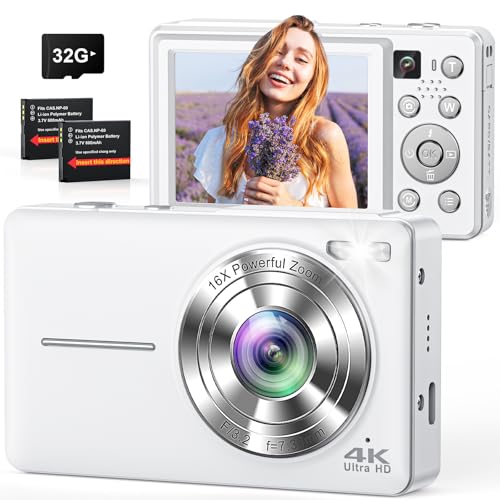
The CAMKORY model merges 4K video with 64MP imaging and a dual-lens system that can switch between front and rear cameras for flexible vlogging. It emphasizes easy operation, ergonomic design, and two batteries for extended shooting sessions. Autofocus and built-in flash help keep subjects sharp in a variety of settings, while its compact build makes it a practical travel companion for families and aspiring creators.
Buying Guide: Key Considerations For Internet-Enabled Cameras
- Connectivity options: Look for built-in WiFi or Bluetooth for quick transfers to phones or cloud services. Some models also support webcam mode via USB for live streaming and video calls.
- Video and image quality: Prioritize 4K or higher video capability and high megapixel counts for sharp stills. Autofocus performance matters for moving subjects and casual shooting.
- Ease of use: For beginners, a straightforward interface, large LCDs or touchscreens, and guided shooting modes help reduce the learning curve.
- Screen presentation: A flip or tilting screen (e.g., 180°) improves vlogging and selfies, while a dual-screen setup can aid front and rear viewing in creative shots.
- Storage and power: Check included memory cards and battery life. Some kits include extra batteries or straps—useful for travel and extended sessions.
- Stabilization: Optical or electronic stabilization reduces shake in handheld footage, especially when zoomed in or shooting in low light.
- Portability: If you travel often, consider weight, size, and build quality. Lightweight cameras with solid ergonomics are easier to carry daily.
- Compatibility: Ensure supported file formats and editing workflows align with your preferred software and devices.
- Upgrade paths: Some models offer accessories like external microphones, lenses, or docking stations that can extend functionality as skills grow.
- Budget alignment: Balance core features with cost. A higher-end model may offer better future-proofing, but entry-level cameras can cover many everyday needs.
These considerations help users choose a camera that aligns with their internet-enabled needs, whether for streaming, quick sharing, or remote collaboration. The five models above illustrate a range of options—from simple, kid-friendly devices to professional-grade multitaskers—each with internet-related features that support modern shooting workflows.