Best Fastest Slow-Mo Cameras for Action or Sports Analysis
When you need to capture fast-moving moments in exquisite detail, a fast slow‑motion camera is essential. This guide highlights five compact options that balance frame rate, resolution, and ease of use for beginners and enthusiasts. Ideal buyers include athletes analyzing technique, hobbyists tracking sports or pets, and educators needing clear, repeatable footage. Read on to see which model best fits your needs, from ultra-high frame rates to convenient pocket-sized options.
Summary table of top picks
| Product | Best For | Key Strength | Limitations |
|---|---|---|---|
| Casio Exilim EX-FH20 | Entry-level shooters | 20x optical zoom with high fps | Older sensor technology |
| SVPRO 260fps Camera | DIY enthusiasts | 260fps at 1080P, manual control | CS-mount lens and setup required |
| Canon PowerShot ELPH 500 HS (Pink) | Casual creators | Full HD video, wide angle | Moderate frame rates for pure slow-motion |
| Canon PowerShot ELPH 500 HS (Brown) | Casual creators | Full HD video, compact | Limited upgrading path |
Casio Exilim EX-FH20: 9.1MP With 20x Optical Zoom And 1000 FPS

The Casio Exilim EX-FH20 is designed for shooters who want high-speed capture without complicated setup. Best for beginners and hobbyists who still want powerful zoom and quick playback. This model offers 9.1 megapixels with 20x optical zoom and a 1000 fps high-speed option for dramatic slow-motion replays. The 3.0-inch wide TFT color LCD aids framing and review after shots. Choose this if you prioritize a long optical reach and straightforward operation rather than extreme modern sensors.
Best for: learners and casual shooters needing a long reach and reliable slow-motion playback. Better for those who want a single, simple camera without external rigs.
Caution: The EX-FH20 uses older imaging hardware; low-light performance may be limited compared with newer fast-scan sensors.
SVPRO 260fps High Speed Camera 1080P 60fps

The SVPRO high-speed camera is aimed at DIY filmers, sports analysts, and hobbyists who want precise control over frame rate and focus. It delivers up to 260fps in several modes, including 1080P at 60fps and 720P at higher rates. The device uses a 1/3 inch OV4689 sensor for clear 1080P output and includes a CS-mount 5–50mm varifocal lens with 10x optical zoom for flexible framing. Best for: those who need real-time analysis of fast actions and can manage manual settings. Caution: setup complexity and external mounting may be required for stable mounts and accurate focus.
Optics and image quality are enhanced by manual exposure and focus control, allowing precise adjustments for varying lighting conditions.
Canon PowerShot ELPH 500 HS: 12.1 MP, Full HD, Ultra Wide

The Canon PowerShot ELPH 500 HS is a compact option ideal for everyday creators who want Full HD video and fast shooting in a tiny form. It features 12.1 megapixels, a 1/2.3-inch high-sensitivity CMOS sensor, and 4.4x optical zoom with 4x digital zoom. While not built for extreme frame rates, it offers high-speed burst modes and Super Slow Motion in a very portable package, making it well-suited for travel or classroom demonstrations. Best for: those prioritizing portability and convenience over ultra-high frame rates. Limitation: slower slow-motion performance compared to dedicated high-speed cameras.
Canon PowerShot ELPH 500 HS: Brown Version
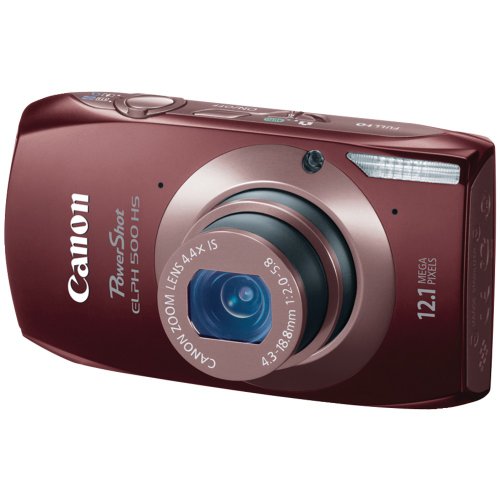
This brown variant mirrors the pink model with the same specifications: 12.1 MP, 4.4x optical zoom, Full HD video, and a DIGIC 4 image processor. It’s a practical pick for users who prefer a darker aesthetic or want to blend in with other equipment. Best for: casual creators who want color options without sacrificing performance. Limitation: similar frame-rate capabilities as the pink version; not a specialist high-speed option.
Buying Guide: Key Considerations For Fastest Slow-Mo Cameras
- What frame rates do you need? Consider the highest reliable FPS a camera can deliver at a usable resolution to capture the action you study.
- What resolution and sensor size matter? Higher megapixels are helpful for stills, but for motion analysis, frame-rate stability and low-light handling may matter more.
- How portable should the setup be? If you travel or shoot in tight spaces, a compact camera with built-in stabilization can be more practical than a larger rig.
- Is manual control important? Models with adjustable shutter, aperture, and focus help tailor footage to varying lighting and motion conditions.
- What lens options exist? Optical zoom and a versatile focal length range improve framing flexibility for moving subjects.
- Software and playback: Consider how easy it is to import, view, and export fast-motion clips for analysis or teaching.
FAQ
- What is the best camera for beginners wanting slow-motion features? The Casio Exilim EX-FH20 offers a straightforward interface with a strong zoom and high FPS, making it a solid starting point for learners.
- Do high FPS cameras require special lighting? Higher frame rates can require more consistent lighting to prevent flicker and artifacts, especially at full resolution.
- Can I use these cameras for sports analysis? Yes, especially models with high-speed capture and manual controls, which allow precise frame-by-frame review.
- Is a compact camera enough for slow motion, or do I need a professional rig? For casual analysis, a compact camera with good slow-motion features is often sufficient; professional rigs are better for critical scientific or broadcast work.
- What should I consider about storage? High-speed footage consumes more storage; plan for ample memory cards or external storage for extended sessions.
- Are there color or firmware updates to improve slow-motion performance? Some brands offer firmware tweaks or color profile options; check official support pages for the latest improvements.