Best Film Camera Cable Release Options for Sharp, Shake-Free Shots
Photographers working with film and legacy DSLR bodies often rely on mechanical cable releases to eliminate camera shake during long exposures, macro work, and bulb shots. The following selections represent dependable, threaded shutter releases that fit a wide range of cameras—from classic film bodies to modern digital hybrids. Each option emphasizes a Bulb-Lock design, vibration-free performance, and compatibility with threaded shutter buttons. Use this guide to compare lengths, locking features, and build quality to find the best fit for your rig.
| Product | Brand | Length | Key Feature | Link |
|---|---|---|---|---|
| JJC TCR-70BK | Fotasy | 70 cm | Bulb-lock design for long exposures | Amazon |
| Pastlla 28″(70cm) | Pastlla | 70 cm | Vibration-free with Bulb-Lock | Amazon |
| JJC TCR-70R | Fotasy | 70 cm | Bulb-Lock, threaded release | Amazon |
| Fotasy 100 cm Mechanical | Fotasy | 100 cm | Top quality manual locking, multiple camera support | Amazon |
| Shutter Release Cable 100 cm | eTone | 100 cm | Unlocking compatibility across brands | Amazon |
Note: Each product listed is designed for cameras with a threaded shutter release button and aims to minimize camera shake during critical shots. The table above highlights the most relevant options from the provided catalog, focusing on length, locking features, and compatibility.
JJC TCR-70BK Black 70 cm Cable Release
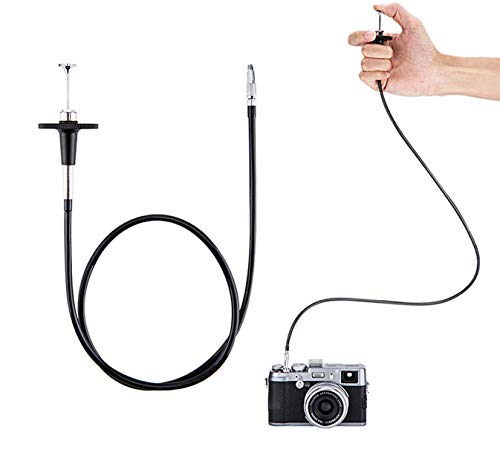
The JJC TCR-70BK is a 70 cm threaded mechanical shutter release designed to fit cameras with standard shutter button threading. It emphasizes vibration-free operation and includes a Bulb-Lock mechanism that helps secure long exposure periods. This model is compatible with a broad range of film and digital cameras that accept threaded releases, making it a versatile choice for studio setups and on-location shoots where stability matters most.
Pastlla 40 cm Threaded Release Cable
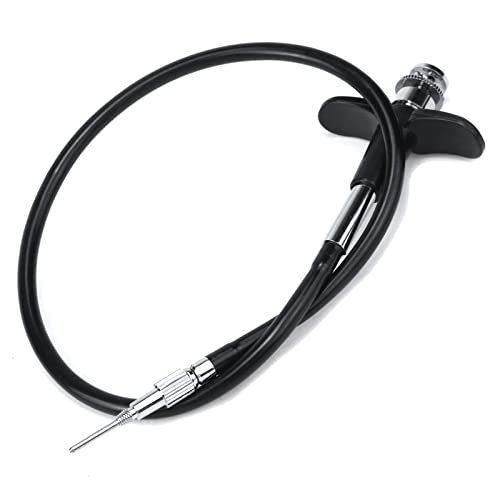
Pastlla offers a 40 cm threaded release with a Bulb-Lock design suitable for both digital cameras with a shutter cable hole and traditional film systems. The package is compact, and the device is constructed from plastic and metal to withstand repeated uses. The shorter length makes it ideal for tabletop macro work or low-angle shots where a longer cord could interfere with the subject.
eTone 100 cm Shutter Release Cable

The eTone 100 cm cable release is designed for Nikon, Fujifilm, Canon, Olympus, and other brands with standard threaded connectors. It supports most mechanical film cameras and some modern digital bodies with compatible shutter threads. The long 100 cm length provides flexibility for off-center shooting, DSLRs with larger rigs, and studio setups where the photographer needs to stand behind the tripod while triggering the shutter.
Fotasy 100 cm Mechanical Cable Shutter Release

Fotasy’s 100 cm mechanical release features a top-quality locking design compatible with film or digital cameras that support threaded releases. It is specifically noted for eliminating camera shake during critical shots and for its tapered threaded end that screws directly into the camera’s shutter button. This model is a robust option for long-exposure portraits, astrophotography setups, and macro work where stability is essential.
JJC TCR-70R 70 cm Mechanical Release

The JJC TCR-70R shares the same 70 cm length and Bulb-Lock design as other JJC/N outcomes, offering a threaded release suitable for Fitz-style and Nikon bodies included in the catalog. Its design focuses on reducing vibration during long exposures and bulb shots, while preserving compatibility with a variety of camera models via standard threaded connectors. This makes it a practical choice for photographers who switch bodies frequently or work across multiple rigs.
Pastlla 70 cm Threaded Release Cable

The 70 cm Pastlla release cable provides a longer reach for studio or landscape shoots, with a focus on vibration-free performance and a Bulb-Lock mechanism for secure long exposures. The construction uses a combination of plastic and metal components, delivering a balanced option for photographers who require greater cord length without sacrificing stability. It supports a wide range of camera bodies through standard shutter-button threading.
Buying Guide: Key Purchase Considerations
Compatibility: Verify that your camera uses a standard threaded shutter release and that the device’s thread pitch matches your camera model. Some older film cameras require specific thread sizes, while many modern bodies use the same 1/4-20 or M6-compatible threading.
Length and Reach: Cable length affects how you shoot. Shorter cables are ideal for low-angle work and macro shots, while longer cables offer flexibility for off-axis triggering, self-portraits, or studio setups where the camera is mounted far from the release device.
Locking Mechanism: Bulb-Lock or locking features prevent accidental shutter activation during long exposures or when adjusting composition. A reliable lock is essential for repeatable results in bulb or multiple-exposure sequences.
Build Quality: Look for a combination of metal and durable plastic components. A robust construction reduces wear from frequent use and helps maintain consistent shutter operation over time.
Versatility: Some releases are compatible with a broader range of brands and camera models. If you shoot with multiple bodies, a more universal release can simplify your kit.
Ease of Use: A simple, intuitive design minimizes misfires in critical moments. Check that the release button provides a tactile, reliable feel and that the locking mechanism is straightforward to engage and disengage.
Price and Availability: While prices vary, prioritize reliability and compatibility over marginal cost. Consider availability if you shoot on tight deadlines or need spares for field use.
Maintenance: Regular inspection of the cable, thread end, and locking components helps ensure consistent performance. Clean connectors and avoid exposure to moisture to extend life.
Performance Context: For landscape, macro, or studio work, decide whether you need a shorter cable for close work or a longer one for studio setups. For film shooters, ensure compatibility with legacy bodies as well as modern digital cameras that still use threaded releases.
In summary, the right film camera cable release blends compatibility, stability, and durability. The options above offer a spectrum of lengths and locking features to suit different shooting styles—from long-exposure astrophotography to precise macro work. Evaluate your camera system, your preferred working distance, and whether you value a locking Bulb-Lock feature to keep your shot perfectly still.