Best DSLR Camera Flashes for Stunning Lighting on a Budget
Photographers seeking reliable, versatile lighting for their DSLR know that a good flash can transform images. This guide highlights five solid options that balance power, compatibility, and value. Each choice covers common shooting scenarios—from on-camera fill to off-camera creative setups—without requiring TTL or complex menus. Read on to compare features, mounting options, and what each flash can do for your photography.
| Product | Brand | Key Strength |
|---|---|---|
| Godox TT520II | GODOX | Wide compatibility, robust manual controls |
| NEEWER TT560 | NEEWER | Flexible angle, broad camera compatibility |
| Neewer NW-670 TTL | NEEWER | High GN, external power options, TTL capable |
| MEDALight F2 Mini | MEDALight | Wireless off-camera control, compact size |
| Photolex FK310 | PHOTOOLEX | High GN, multiple flash modes, solid manual control |
Choosing a DSLR flash involves weighing power, compatibility, and whether you need on-camera or off-camera flexibility. The following sections review five options that cover common needs, from basic fill to creative lighting setups. Each product section includes a quick visual reference, practical considerations, and how it fits typical amateur to enthusiast workflows.
Godox TT520II Speedlite Review

The Godox TT520II is a compact, on-camera flash designed for reliable performance across multiple brands. With a dedicated 433 MHz wireless system and 16 channels, it can function as part of a larger, off-camera setup. Its power range from 1/128 to full, coupled with three flash modes (M, S1, S2), offers flexible control for portraits, events, and street photography. Although TTL is not supported, manual control remains precise, with solid recycling speeds and overheating protections. This makes it a dependable starter or secondary flash in a multi-light kit.
NEEWER TT560 Flash Speedlite
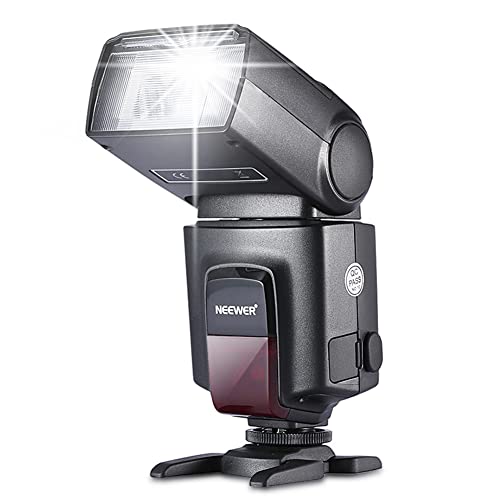
NEEWER’s TT560 is a versatile, budget-friendly speedlight compatible with Canon, Nikon, Sony, Panasonic, Olympus, Pentax, and other DSLRs via the MI hot shoe. It offers a wide vertical rotation (0–90 degrees) and horizontal swing (0–270 degrees), enabling creative bounce lighting. Note that it does not support TTL or camera menu settings; it is designed for cameras with electrical contacts. It’s well-suited for photographers who want reliable manual control and strong compatibility to expand a basic flash kit without diving into advanced menus.
NEEWER Z160 On-Camera Flash

The NEEWER Z160 offers a compact form factor with a 22Ws output and GN14 at ISO 100, delivering bright illumination in a palm-sized package. It features a stylish rotary dial and a clear display, making it easy to adjust power settings on the go. While it emphasizes a retro-modern design aesthetic, it remains practical for everyday use in on-camera situations. The unit includes a diffuser for softer light, and its 1.5-second recycle time helps with simple portrait work and street photography when paired with reliable batteries.
PHOTOOLEX FK310 Flash

The PHOTOOLEX FK310 is a high-output option with a GN33 rating and a 5500K color balance. It provides Manual, S1, and S2 modes for varied lighting scenarios while avoiding TTL and camera menu dependencies. A notable feature is its multi-flash capability, allowing multiple pulses at adjustable power and frequency. The FK310 is a strong choice for practice with off-camera lighting, event setups, and creative strobing, especially where precise manual control matters and TTL compatibility is not required.
MEDALight F2 Mini Wireless Flash

The MEDALight F2 Mini brings wireless off-camera capability with a 2.4 GHz transmitter and a range up to 10 meters. It supports 1/8 to 1/1 full power, with a color temperature around 6200K, and includes a 0.5W modeling light for previews. Its compact form helps when traveling light, while wireless control enables synchronized multi-light setups. This is a practical choice for social media creators and photographers exploring off-camera lighting without a large setup.
MEDALight F1 Mini Flash

The MEDALight F1 Mini is a compact, rechargeable option with a built-in lithium battery and Type-C charging. It offers four flash power levels and a stable 6200K color temperature, designed for quick setups and reliable on-camera use within a four-meter range. Its hot shoe compatibility makes it suitable for small cameras and film cameras alike, offering a flexible, travel-friendly solution for on-the-go shoots and vlogging where weight matters.
NEEWER NW-670 TTL Flash

The NW-670 TTL Flash from NEEWER boosts versatility with a high Guide Number and TTL capabilities for Canon, Nikon, Sony, and more. It includes a PC sync port for external power packs and extended shooting sessions, along with a 20–25 meter wireless triggering range indoors and outdoors. This model is well-suited to shooters who want reliable TTL performance, easy power options, and broad compatibility without reinventing their entire lighting kit.
Buying Guide
Key considerations when selecting a DSLR flash include power output, compatibility, and flexibility. For beginners, a compact, affordable unit with broad brand support—like the TT520II or TT560—offers essential manual control and room to grow. If you plan to expand into off-camera lighting, prioritize models with wireless control and a reliable mount for multiple lights, such as the MEDALight F2 Mini or NW-670 TTL. For shooters who want strong performance without TTL, a GN rating around 30–40 and multi-flash modes (S1/S2) can deliver predictable results in studio-like setups or on-location shoots. Durability, recharge time, and battery type also influence long-term value. Finally, consider whether you will rely on on-camera use exclusively or require easy integration with a larger lighting system for events or portraits. In mixed environments, a combination of a compact on-camera flash and a dedicated off-camera unit often yields the most consistent results across subject matter and lighting conditions.
When evaluating a flash, compare the user interface and physical controls. A simple dial-based system for power and a clear display helps reduce shooting delays. Additionally, verify that the hot shoe compatibility covers your camera brands and models, especially for non-TTL operations where electrical contacts and mounting type matter. If you shoot in varied environments, look for features like external power-supply compatibility, faster recycling, and diffuser options that soften light for flattering portraits. Consider your typical shooting distances and whether you need a wide-angle diffuser or zoom head to shape the beam. Ultimately, the right mix depends on your camera, your style, and how much you value portability versus power.