Best Full-Frame Camera Bodies for 2026
For capturing stunning imagery with shallow depth of field, robust low-light performance, and advanced video features, a full-frame camera body is a strong investment. This guide highlights five top options suitable for enthusiasts and professionals, focusing on bodies with strong autofocus, fast continuous shooting, and reliable image processing. Each entry links to an Amazon listing for quick reference, and the buying guide below compares sensor quality, processing power, autofocus capabilities, and portability to help you choose the right match for your style and needs.
| Product | Brand | Sensor | Key Feature |
|---|---|---|---|
| Canon EOS R6 Mark II | Canon | 24.2 MP | Dual Pixel CMOS AF and 40 fps high-speed shooting |
| Sony Alpha 7 IV | Sony | 33 MP | Advanced BIONZ XR processor with 4K 60p 10-bit |
| Canon EOS R8 | Canon | 24.2 MP | Lightweight full-frame with Dual Pixel CMOS AF II |
| Canon EOS R5 | Canon | 45 MP | 8K video, high speed continuous shooting |
| Canon EOS RP | Canon | 26.2 MP | Compact full-frame with DIGIC 8 processor |
Canon EOS R6 Mark II Mirrorless Camera (Body Only)

The Canon EOS R6 Mark II offers a full-frame 24.2-megapixel CMOS sensor paired with the DIGIC X image processor for strong performance in stills and video. Dual Pixel CMOS AF provides reliable subject tracking, while high-speed electronic shutter enables up to 40 frames per second for action sequences. This body-upgrade focuses on improved autofocus, faster processing, and strong low-light performance to suit photojournalists, sports photographers, and videographers who require speed and sensitivity in a compact package.
Sony Alpha 7 IV Full-frame Mirrorless

The Sony Alpha 7 IV pairs a 33MP full-frame Exmor R sensor with the BIONZ XR image processing engine, delivering high resolution images with strong color and dynamic range. Its capabilities extend to versatile video workflows, including 4K 60p 10-bit 4:2:2 with full pixel readout, making it a solid choice for hybrid shooters who demand high-quality stills and cinema-grade video in a single body.
Canon EOS R8 Mirrorless Camera Body
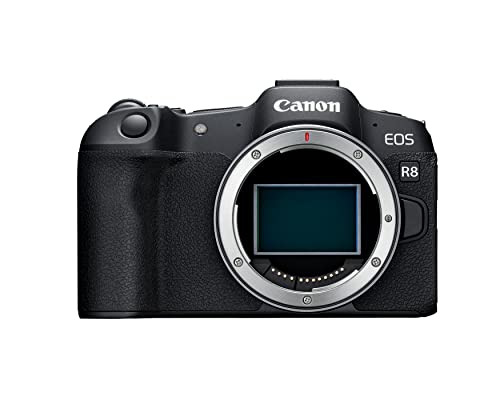
The Canon EOS R8 is a streamlined full-frame option built for content creators who want portability without sacrificing Canon’s Dual Pixel CMOS AF II performance. Featuring a 24.2-megapixel sensor and the DIGIC X processor, the R8 offers robust autofocus, a bright EVF, and color-rich 4K video, all in a lighter body that’s more approachable for travel and daily use.
Canon EOS R5 Mirrorless Camera
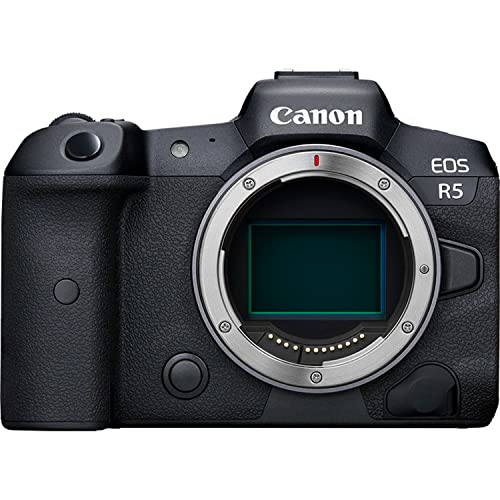
The Canon EOS R5 is a flagship hybrid model with a 45-megapixel full-frame sensor and the DIGIC X processor, supporting up to 8K video capture and high-speed stills. Its robust autofocus with subject detection and reliable color science makes it a strong choice for professionals who require top-tier image quality and advanced video capabilities in a single body.
Canon EOS RP Full Frame Mirrorless

The Canon EOS RP is a compact, lightweight full-frame option featuring a 26.2-megapixel sensor and the DIGIC 8 processor. It provides a balance of performance and portability, with RF mount compatibility and a solid entry point for photographers expanding into full-frame capabilities without a heavy gear load.
Buying Guide
- Sensor and resolution: Higher megapixels offer more detail but require more processing. Consider 24–33 MP as a balance for general use, or 45 MP for landscape and studio work.
- Autofocus and tracking: Look for models with Dual Pixel CMOS AF II or advanced phase-detect systems and deep-learning subject detection for animals, people, and vehicles.
- Video capabilities: If you shoot video, prioritize 4K 10-bit recording, 4K 60p or higher, and robust color profiles like Canon Log or S-Log equivalents from Sony.
- Size, weight, and handling: Lighter bodies benefit travel and handheld vlogging, while heavier bodies can offer better grip and weather sealing for rugged use.
- Lens ecosystem: Ensure the camera has a strong selection of native lenses and compatibility with adapters if you plan to mix brands.
- Battery life and cooling: High-performance bodies may require more efficient batteries and cooling solutions for extended sessions, especially in video.
- Future-proofing: Consider firmware updates and integration with other gear (gimbal, external recorders, and accessories) to extend the camera’s useful life.
- Price-to-performance: Compare features such as autofocus speed, buffer depth, and workflow efficiency to determine relative value.