Best Full-Frame Professional Cameras for Serious Shooters
Choosing a full-frame camera for professional use involves balancing resolution, dynamic range, autofocus, video capabilities, and system compatibility. The following selections represent top options across stills-focused, hybrid, and cinema-oriented needs. Whether you’re a wedding photographer, documentary filmmaker, or studio shutterbug, this guide compares flagship bodies and cinema cameras to help you decide which suits your workflow and budget.
| Product | Brand | Sensor/Format | Key Strength |
|---|---|---|---|
| Sony Alpha 7 IV Full-frame Mirrorless Kit | Sony | 33MP Full-Frame | Versatile hybrid with strong autofocus and 4K 60p video |
| Sony Alpha 7R V Full-Frame | Sony | 61MP Full-Frame | Ultra-high-resolution stills with advanced AI AF |
| Nikon Z5 II with 24-200mm | Nikon | 24.5MP Full-Frame | Solid-low light AF and built-in image stabilization |
| Sony FX3 Full-Frame Cinema | Sony | Full-Frame Cinema | Cinema-oriented feature set with LOG, dual ISO, 4K/120p |
| Blackmagic Design Cinema Camera 6K | Blackmagic Design | Super 35/Full-Frame (via sensor) 6K | Raw cinema workflow with DaVinci Resolve Studio |
Sony Alpha 7 IV Full-frame Kit

The Sony Alpha 7 IV combines a 33MP back-illuminated Exmor R sensor with the latest BIONZ XR processing engine to deliver high-resolution stills and robust video performance. With up to 4K 60p at 10-bit 4:2:2 and full-pixel readout across all recording formats, this camera suits hybrid shooters who need reliable autofocus and dependable color science. The kit variant typically includes a versatile 28-70mm zoom, appealing to photographers who transition between portraits, events, and run-and-gun videography. The AF system features real-time eye and face detection, while the body maintains a durable build and good weather sealing for field work.
Key features include 33MP resolution, 8x processing power improvement, and a capable 4K pipeline that preserves detail in post. Users should consider battery life and card throughput for extended shoots, plus the lens ecosystem that complements this body’s flexibility for travel, documentary, and wedding work.
Sony Alpha 7 IV (Body Only)

This variant emphasizes the same core 33MP sensor and BIONZ XR engine, with a focus on professional-grade stills and 4K video. It’s built for photographers who value a high-resolution sensor, strong color science, and a robust autofocus system that supports fast action and nuanced portrait work. Operating temperatures and international voltage support highlight Sony’s readiness for international shoots. As with the kit, pairing it with compatible lenses expands its capability from studio to street or documentary environments.
Nikon Z5 II With Telephoto Zoom

The Nikon Z5 II targets enthusiasts seeking a capable full-frame experience with reliable autofocus and strong image stabilization. Its 24.5MP BSI-CMOS sensor and EXPEED 7 processing yield high-resolution stills and solid dynamic range. The camera supports high-speed shooting up to 30fps and features nine-subject detection, including people, birds, dogs, and vehicles. A notable strength is dual SD UHS-II memory card slots, which appeal to professional shooters who need secure backups and flexible backups or overflow storage during multi-day shoots. The included 24-200mm lens covers both wide scenes and telephoto reach for events and travel photography.
Sony FX3 Full-Frame Cinema Camera
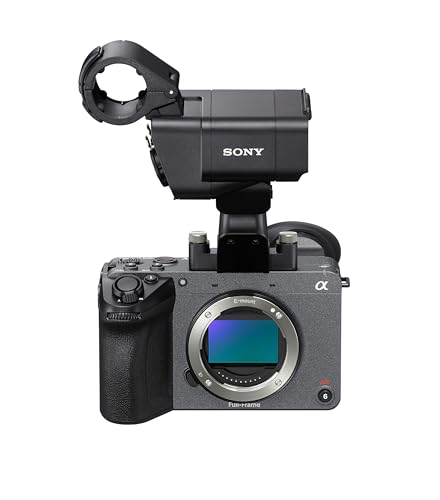
The Sony FX3 is a cinema-focused member of the Alpha family, designed for professional filmmakers. It features a 33MP Exmor R CMOS sensor with the BIONZ XR processor, delivering exceptional dynamic range and low-light performance. The camera supports 4K up to 120p with 10-bit 4:2:2, and offers flexible log shooting modes, including Cine EI and Cine EI Quick, to meet documentary, music video, and corporate production needs. Dual base ISO and 15+ stops of dynamic range enable versatile shooting in challenging lighting. Its compact form and cinema-grade controls make it ideal for handheld or gimbal work.
Sony Alpha FX3 ILME-FX3 Cinema Camera

The ILME-FX3 continues Sony’s cinema lineage, offering full-frame capture with S-Cinetone for a cinematic look and aggressive color science inspired by VENICE. It delivers up to 4K/120p with 10-bit 4:2:2, and full-pixel readout across all modes. This camera targets professional cinema crews, documentary crews, and independent filmmakers seeking a compact, weather-sealed cinema body with advanced color science, flexible gamma options, and a broad ecosystem of cinema lenses and accessories. It’s well-suited for on-location shoots and challenging environments where cinematic quality is paramount.
Blackmagic Design Cinema Camera 6K

The Blackmagic Design 6K cinema camera is built around a high-resolution 6K sensor and Blackmagic RAW workflow, paired with a Leica L-mount option. It provides 13 stops of dynamic range and Dual Gain ISO up to 25,600, enabling detailed imagery in diverse lighting. The camera supports CFexpress Type B or external SSD recording, with internal audio options and multiple input/output configurations. Included DaVinci Resolve Studio offers a complete post-production solution for editing, color correction, VFX, and audio in one application. This makes the 6K a compelling choice for indie filmmakers and studio productions seeking maximum flexibility in post.
Buying Guide
Key purchase considerations when evaluating these full-frame options:
- Intended use: Choose between hybrid stills/video cameras (e.g., Sony A7 IV, Nikon Z5 II) and cinema-focused bodies (FX3, FX3 ILME, Blackmagic 6K). Your primary workflow will guide the purchase.
- Resolution vs. low-light performance: Higher megapixels (e.g., 61MP on A7R V) excel in detail-rich stills but may demand more light for clean images. Balance with sensor performance and ISO handling for your typical environments.
- Autofocus and subject detection: Real-time eye/face detection and animal/vehicle tracking are crucial for event photography and documentary work. Ensure the AF system aligns with your subjects.
- Video capabilities: If primarily shooting video, review 4K/60p or 4K/120p options, color science (S-Cinetone, Log profiles), and internal vs. external recording needs. Look for RAW or high-bit-rate options where post work matters.
- Lenses and ecosystem: Lens availability and system ergonomics influence long-term satisfaction. Confirm the weight, stability features, and the availability of fast glass for your subject matter.
- Durability and warranty: Weather sealing and rugged builds are important for on-location shoots. Consider service plans and local support availability when investing.
- Storage and workflow: Dual card slots, high-speed media, and efficient post pipelines (e.g., DaVinci Resolve) can save time in production environments.
- Budget and future-proofing: Cinema cameras deliver cinematic quality but at a higher total cost when you factor in lenses and rigging. Weigh upfront costs against long-term needs.
Each camera listed serves different professional niches. For hybrid photographers and videographers needing a balanced toolset, the Sony A7 IV and Nikon Z5 II offer strong versatility. For ultra-high-resolution stills, the Sony A7R V stands out, while the cinema-focused cameras (FX3, FX3 ILME, and Blackmagic 6K) provide advanced color, post-production freedom, and professional codecs tailored to film and documentary work. Consider which features align most closely with your current projects and future ambitions, and choose lenses and accessories that expand the camera’s capabilities.