Best Gimbal for Video Camera and Phone Stabilization
The right gimbal can transform shaky footage into smooth, cinematic shots whether you’re using a smartphone or a mirrorless camera. This guide highlights five top options that combine stabilization, ease of use, and portability for American creators. Each product section provides key features, compatibility, and what makes it a strong choice for video work. A quick summary table below helps you compare at a glance.
| Product | Brand | Type | Key Benefit |
|---|---|---|---|
| DJI Osmo Mobile SE | DJI | Phone Gimbal | ActiveTrack 6.0 and magnetic quick setup |
| DJI RS 3 Mini | DJI | Camera Gimbal | High payload and compact design for cameras |
| DJI Osmo Mobile 7 | DJI | Phone Gimbal | One-Tap Edit and built-in lighting |
| DJI Osmo Mobile 6 | DJI | Phone Gimbal | ActiveTrack 6.0 with watch control |
| FeiyuTech SCORP-C2 | FeiyuTech | Camera Gimbal (DSLR/Mirrorless) | Built-in AI Tracking with high payload |
DJI Osmo Mobile SE: Compact Phone Gimbal

The Osmo Mobile SE is a portable, foldable phone gimbal designed for quick setup and travel. Its magnetically quick snap-in clamp makes starting a shoot fast, ideal for on-the-go vlogging, travel videos, and social media content. Built-in stabilization helps keep scenes steady, while ActiveTrack 6.0 keeps subjects or moving yourself in frame without constant adjustments. A convenient watch-based remote control via the DJI Mimo app expands control when you’re across the room or on the move. This model emphasizes ease of use and fast setup for casual to semi-professional smartphone videos.
Key features include a compact form, magnetic clamp, ActiveTrack 6.0, and a remote control option via Apple Watch. The device is well-suited for creators who prioritize portability without sacrificing tracking performance. Consider this option if you shoot primarily with a smartphone and value quick setup and reliable subject tracking.
Compatibility: iPhone and most Android smartphones; includes a built-in tripod for stable tabletop shots. Battery life and performance align with most everyday video needs, making it a strong all-around pick for beginners to intermediate creators.
DJI RS 3 Mini: Compact Gimbal For Cameras
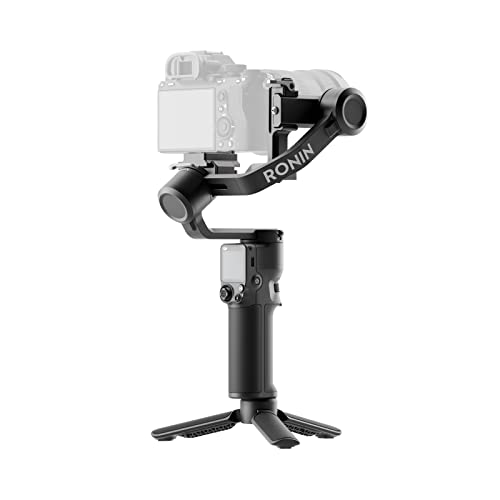
The RS 3 Mini is a lightweight, 795-gram gimbal designed for cameras up to 2 kg (4.4 lbs). Its compact profile makes it ideal for travel and on-location shoots where heavier rigs aren’t practical. The gimbal’s high-torque motors support a broad range of camera and lens combinations, enabling versatile setups from mirrorless bodies to compact pro cameras. A native vertical shooting mode simplifies social media content creation without swapping accessories, and Bluetooth shutter control provides convenient capture without direct camera handling. This model is best for creators who want serious stabilization in a small footprint with broad camera compatibility.
Strengths include travel readiness, strong payload, and easy pairing with supported cameras. It’s particularly appealing to videographers who need reliable stabilization for mid-weight rigs while maintaining portability for shoots outside the studio.
Use cases: run-and-gun shoots, documentary-style video, travel vlogs, and short film work where you require smooth pans and stable motion. The RS 3 Mini offers a balanced mix of performance and portability for everyday professional use.
DJI Osmo Mobile 7P: Pro-Grade Phone Gimbal

The Osmo Mobile 7P builds on DJI’s stabilization heritage with a robust 3-axis gimbal, built-in extension rod, and tripod for extended shots. It emphasizes ease of use with One-Tap Edit and ShotGuides through the DJI Mimo ecosystem, helping creators move from capture to edit quickly. The 7P includes integrated lighting and quick-launch features, making it a strong choice for solo creators who need professional-looking results without carrying extra accessories. Its extended power and features target vloggers and creators who want more creative control on the go.
Highlights include a foldable design with a built-in extension rod, 10-hour use, and phone charging compatibility. The combination of stable imaging, smart editing aids, and on-device lighting supports a streamlined workflow from shooting to publishing.
Best for: vloggers, live streamers, or solo creators who crave cinema-grade stability and simplified post-production options in a single package.
DJI Osmo Mobile 7: Comprehensive Phone Stabilizer

The Osmo Mobile 7 is a versatile 3-axis phone gimbal focused on stability and ease of use. It provides uninterrupted tracking with ActiveTrack 7.0, tracking subjects through varied movement while maintaining frame accuracy. An integrated tripod support combines with a foldable form for compact storage and straightforward on-the-go usage. The combination of strong stabilization, reliable tracking, and a robust ecosystem makes the 7 a practical choice for creators looking to produce polished content with minimal setup time.
Content creators gain from features like One-Tap Edit and seamless DJI Mimo integration. The device is designed to maximize production value for social media content, tutorials, travel videos, and everyday filming, while staying portable enough for street shoots or quick interviews.
DJI Osmo Mobile 6: Stable Phone Gimbal With Extras

The Osmo Mobile 6 continues DJI’s emphasis on tracking and stability, featuring ActiveTrack 6.0 to keep moving subjects in frame. A remote control option via Apple Watch lets creators adjust angles and capture remotely, enhancing efficiency during shoots that require distance or stealth. Its 3-axis stabilization delivers smoother footage, particularly in dynamic environments where motion can otherwise degrade quality. This model suits creators who value long-form battery life, reliable tracking, and smartwatch integration for hands-free operation.
Use cases include travel vlogging, event coverage, and outdoor filming where quick setup and dependable tracking are essential. The combination of stability, watch control, and portability supports a range of video projects from YouTube to short-form social media.
Buying Guide: Key Considerations And Comparisons
- Intended use: If you shoot primarily with a smartphone, prioritize models with 3-axis stabilization, ActiveTrack, and integrated accessories like tripods or extension rods. For camera bodies, focus on payload capacity and compatibility with your gear.
- Weight and portability: Lighter gimbals are easier to carry on trips, but ensure they can handle your camera or smartphone with accessories. Battery life matters for long shoots or multi-day events.
- Tracking and smart features: ActiveTrack versions, ShotGuides, and remote control options (watch or mobile app) can significantly impact workflow and efficiency on set.
- Ease of use: Foldable designs, quick clamps, and built-in tripods simplify setup. Look for models with intuitive menus and reliable motor performance at your typical operating temperatures.
- Creative capabilities: Check for vertical shooting modes, built-in lighting, and native vertical or horizontal switching. These features influence how you film for social media versus traditional video.
- Future-proofing: Consider ecosystems and compatibility with your current gear (camera bodies, lenses, microphones). A gimbal that integrates with the brand’s software (Mimo or similar) can save time during editing.
Across these options, the DJI models emphasize smart features, tracking reliability, and ecosystem integration, while FeiyuTech’s SCORP-C2 offers strong payload and built-in AI tracking for DSLR and mirrorless setups. Your best pick depends on whether you prioritize portability and smartphone use, or heavier camera compatibility with professional control. Evaluate your typical shooting scenarios, travel needs, and post-production workflow to choose a gimbal that aligns with your video goals.