Best HD Infrared Waterproof Cameras for Trail and Wildlife Monitoring
For researchers, wildlife enthusiasts, and property owners, a reliable HD infrared waterproof camera is essential for safe, discreet outdoor observation. The following selections emphasize night vision quality, robust durability, fast trigger speeds, and long battery or solar options to maximize field uptime. Each model below is paired with key features to help you compare at a glance.
Product Summary
| Product | Brand | Key Feature | Waterproof Rating |
|---|---|---|---|
| GardePro E5S Trail Camera | GardePro | 64MP stills, 1296p HD video, 0.1s trigger | IP66 |
| GardePro E5S Trail Camera 2 Pack | GardePro | Two-pack; 64MP, 100ft night vision | IP66 |
| MAXDONE Trail Camera | MAXDONE | 4K video, 64MP, detachable solar panel | IP66 |
| AKASO EK7000 | AKASO | 4K30fps, EIS, waterproof to 131ft | IPX8 |
| SVPRO Outdoor USB Camera | SVPRO | 1080p, IR night vision, waterproof housing | IP66 |
GardePro E5S Trail Camera

The GardePro E5S combines high-resolution stills with crisp HD video to support reliable wildlife documentation. Its advanced optical design uses a large f/1.6 aperture lens and a sensitive image sensor to capture more light at night, with infrared brightness automatically adjusted by distance. It delivers night vision up to 100 feet and records 64MP still images with H.264 video, which helps keep file sizes manageable without sacrificing quality. A pre-activated motion-detection system enables rapid 0.1-second trigger speed and a 90-foot detection range for capturing fast-moving animals.
GardePro E5S Trail Camera 2 Pack
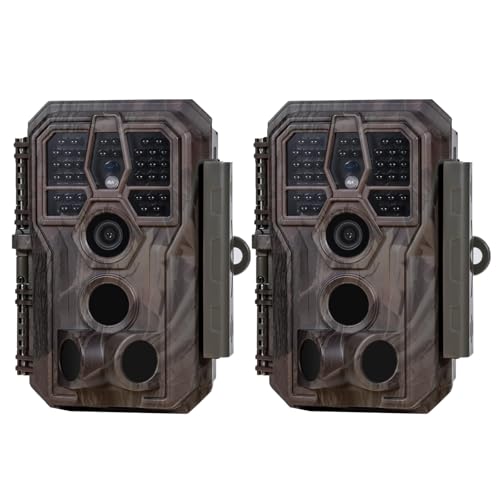
This two-pack extends scouting capabilities with the same 64MP stills and 1296p HD video. Each camera uses an f/1.6 aperture optic, a sensitive image sensor, and automatic infrared brightness control for clear night images. The setup emphasizes fast capture with a 0.1-second trigger and a 90-foot detection distance, making it suitable for documenting wildlife at multiple angles or monitoring larger property sections.
MAXDONE Trail Camera
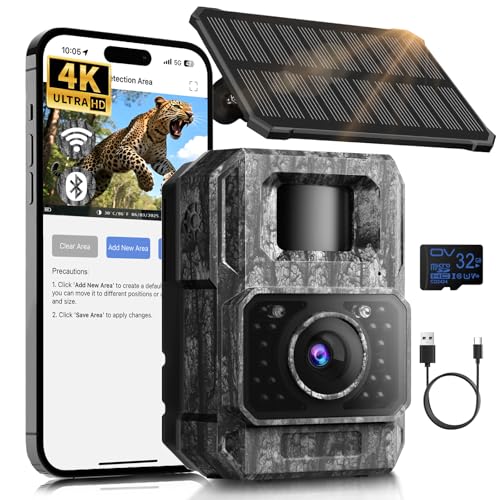
The MAXDONE trail camera integrates a detachable solar panel to extend field life, along with a 6000mAh rechargeable battery for longer use between charges. It features 4K video and 64MP high-resolution stills, delivering sharp night and day imagery. The solar panel design improves charging efficiency in varied outdoor conditions, reducing downtime. App-based control via a compatible ecosystem enables remote monitoring and quick retrieval of photos and videos, ideal for extended surveillance or wildlife studies in remote locations.
SVPRO Outdoor USB Camera
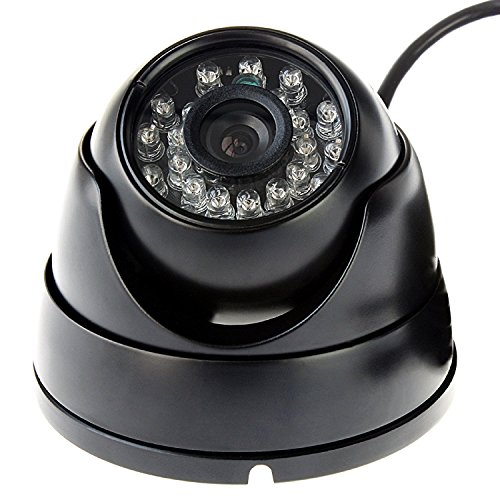
The SVPRO USB camera delivers full HD 1080p footage from a rugged, waterproof housing suitable for outdoor use. It uses infrared LEDs to extend night vision and maintains automatic day/night switching for reliable monitoring in changing light. The camera’s weatherproof construction and secure mounting options make it a practical choice for outdoor property surveillance, camping, or remote wildlife observation where power options are limited.
VIDVIS WiFi Solar Trail Camera
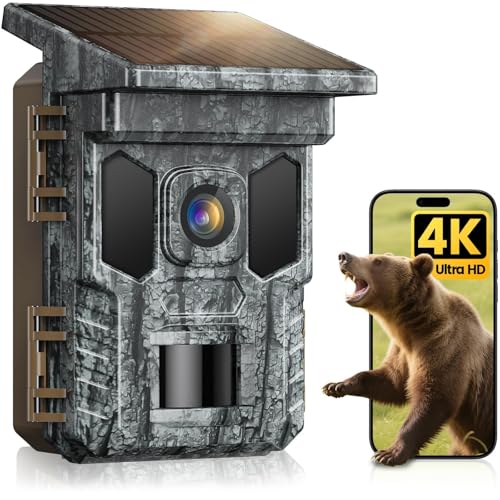
The VIDVIS trail camera emphasizes solar power connectivity paired with 4K 64MP image capture. Its 0.2-second trigger and up to 70-foot PIR detection enable rapid, accurate wildlife moments at night with 850nm low-glow infrared LEDs for discreet illumination. The camera supports direct sending of media to a connected phone via trail camera apps, simplifying field data management without removing SD cards.
GardePro A3 Trail Camera

The GardePro A3 uses a Sony Starvis sensor and a large aperture lens to produce color images under low light and strong night vision up to 100 feet. It records 1296p HD video with H.264 compression to reduce file sizes and ensure compatibility with most players. A fast 0.1-second trigger and 90-foot detection distance help ensure important moments are captured with minimal delay, making it suitable for wildlife observation and game tracking alike.
Buying Guide
Key considerations when selecting a HD infrared waterproof camera for outdoor use:
- Night vision range and image quality: Look for high megapixel stills (32–64MP) and HD to 4K video, with infrared that adjusts for distance.
- Trigger speed and recovery: A fast trigger (0.1s or better) and quick recovery minimize missed moments and enable continuous monitoring of active wildlife.
- Durability and weatherproofing: IP66 or IP67 ratings (waterproof and dustproof) ensure operation in rain, snow, or humid environments.
- Power options: Battery-powered setups with solar charging extend field life; consider back-up power options (Type-C or AA batteries).
- Connectivity: Built-in WiFi or app compatibility can simplify setup and media retrieval, especially for remote locations.
- Field of view and mounting: 90–130-degree wide-angle lenses provide broad coverage; ensure mounting hardware suits your terrain (tree, post, etc.).
- Storage and format: Support for large microSD cards and efficient video formats (H.264 MP4) helps manage long monitoring periods.
In practice, selecting between models involves balancing image quality, power management, and field deployment needs. For remote scouting with limited access, solar-enabled designs with robust IP66/IP68 protection offer the best uptime. If color imagery in low light is essential, models with Sony Starvis or similar sensors are desirable. For quick, mobile surveys, compact cameras with fast triggers and easy app pairing provide convenience without sacrificing performance.