Best Lapel Microphones for DSLR: Clear Audio on Your Next Shoot
Answering the demand for reliable, discreet audio for DSLR video, these lapel mics provide crisp dialogue and minimal interference. The top picks vary from ultra-light wireless sets to sturdy wired lavalier mics. This guide highlights five options suited for different creators—vloggers, interviewers, and filmmakers—so you can choose the best fit for your setup and budget. The following table summarizes each product’s strengths and ideal use case.
| Product | Best For | Why Choose |
|---|---|---|
| DJI Mic Mini (2 TX + 1 RX) | Long-form filming, outdoor shoots | Extra transmitters extend audience reach and flexibility |
| DJI Mic Mini (1 TX + 1 RX) | Solo creators, on-the-go vlogging | Lightweight, compact, good battery life |
| Purple Panda Wired Lavalier | Budget-friendly, corded reliability | No battery dependence, universal compatibility |
| Movo WMX-2-DUO | Two-person dialogue, DSLR audio | Two transmitters, easy pairing, solid range |
| Alvoxcon TG220S | Educational or interview settings | Dual wireless with solid range and noise control |
DJI Mic Mini (2 TX + 1 RX) Review

The DJI Mic Mini (2 TX + 1 RX) is ideal for shooters who need simultaneous sound sources without swapping packs. The two transmitters expand capture options for two speakers or a primary subject plus ambient dialogue. It weighs about 10 g per transmitter, making it comfortable to wear and discreet on-camera. The system delivers detail-rich sound with a 400-meter transmission range, enabling stable recording in dynamic outdoor environments. A 48 kHz sampling rate and up to 120 dB SPL ensure full, clear audio, while the charging case provides extended use up to 48 hours. This setup is best for multi-voice interviews, single-camera runs with a second mic, and streaming scenarios where backup audio is valuable.
Who this is for: creators needing flexible multi-mic configurations for DSLR or mirrorless workflows, especially on location. Why selected: the dual-transmitter option reduces the need to switch mics during shoots, saving time and keeping audio quality consistent.
Caution: At extreme distances or in highly congested RF environments, you may experience occasional interference. Always test channels before critical takes.
DJI Mic Mini (1 TX + 1 RX) Review
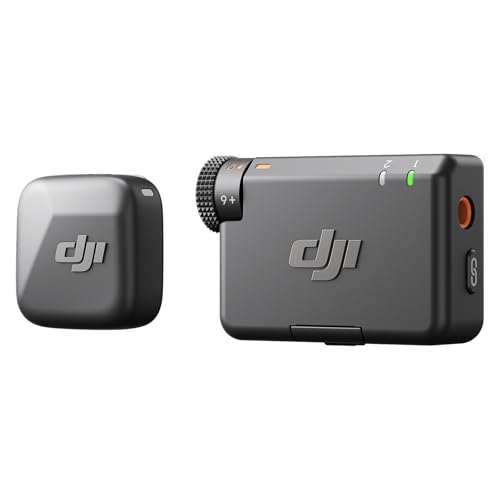
This lighter, single-transmitter version suits solo creators who want a compact, unobtrusive mic system. It shares the same detail-rich audio profile, with a 400-meter range and 48 kHz sampling, ensuring the mic can keep up with on-camera dialogue and natural environment sounds. Battery life is robust for typical shoot days, though it may fall short on long, continuous events compared with the 2 TX configuration. It’s best for one-on-one interviews, solo vlogs, and camera setups where minimal gear is preferred.
Who this is for: solo YouTubers, documentary cameramen, or students recording presentations. Why selected: lower weight and footprint make it easier to manage while still delivering high-quality audio.
Caution: Availability of extended multi-mic capture is limited with only one transmitter. Consider the two-transmitter kit if you anticipate needing two separate audio tracks.
Purple Panda Wired Lavalier Microphone

The Purple Panda wired lavalier offers a straightforward, budget-friendly option for DSLR work. Its omnidirectional pickup helps capture even dialogue, and there is no battery management to worry about. This mic is compatible with GoPro, DJI, Insta360, DSLR, and smartphones with the right adapters, making it a versatile choice for learners and budget-conscious creators. The wired design reduces the chance of wireless interference and is ideal for controlled environments like studios, classrooms, or staged shoots.
Who this is for: beginners to intermediate creators who want dependable audio without the complexity of wireless systems. Why selected: reliable performance without power concerns or pairing hassles.
Caution: Some camera setups require adapters or specific connectors, so verify compatibility with your gear before purchase.
Movo WMX-2-DUO Wireless Camera Microphone
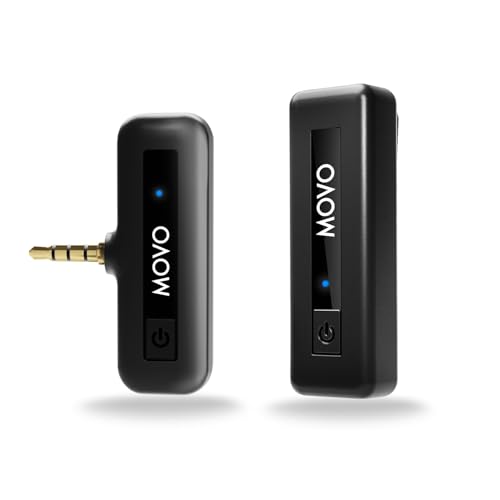
The Movo WMX-2-DUO is designed for two-person dialogue, making it a strong choice for interviews, tutorials, or duo vlogging with DSLR rigs. The system includes two transmitters and an auto-pairing receiver, delivering clear, broadcast-ready audio at a range suitable for typical studio or field setups. The compact lavalier mics and 2.4 GHz transmission help minimize latency and interference in many environments. This kit suits creators who regularly capture conversations or dual-source dialogue without swapping mics.
Who this is for: videographers who frequently film two speakers or need redundancy in a DSLR recording. Why selected: the dual-mic setup provides consistency across two voices, reducing post-editing work and synchronization challenges.
Caution: Although the system offers good range, extremely crowded RF spaces can still introduce transient noise. Plan wireless channels in advance for critical shoots.
Alvoxcon TG220S Dual Wireless Lav Mic
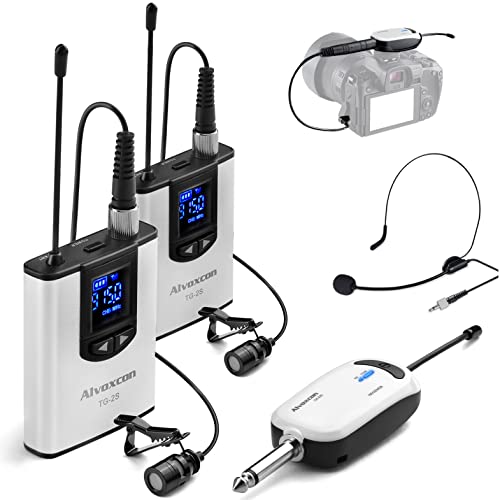
The Alvoxcon TG220S dual wireless system targets classrooms, churches, and on-stage interviews where dependable, longer-range audio matters. With a dual transmitter and receiver, it provides flexibility for two subjects or for pairing with a separate primary mic. The system emphasizes noise canceling transmission and a solid signal to minimize feedback and distortion. It’s a fitting option for DSLR shooters documenting events or educational presentations where multiple speakers are involved.
Who this is for: event videographers, educators, and livestreamers needing a robust dual-channel wireless setup. Why selected: good balance of range, reliability, and cost for multi-speaker DSLR projects.
Caution: Setup can be more involved than a single-mic system; plan time to configure frequency channels and receiver placement for optimal performance.
Buying Guide: Lapel Mics For DSLR
What to consider when choosing a lapel mic for DSLR use?
- Wired vs Wireless: Wired lavaliers avoid battery concerns and wireless interference but limit mobility. Wireless systems offer more flexibility for roaming shots but require channel management and potential interference checks.
- Number of transmitters: One for solo shoots, two for two speakers, or more for group setups. More transmitters increase versatility but add cost and potential setup complexity.
- Compatibility: Ensure the mic’s connector type matches your camera input (3.5mm, USB-C, or via adapter). Check if you need a separate receiver attached to your camera’s hot shoe.
- Audio quality: Look for higher sampling rates (e.g., 48 kHz) and wide dynamic range (DSP specs) for cleaner dialogue and reduced noise, especially in outdoor environments.
- Battery life and charging: For wireless kits, consider how long the mics last between charges and whether the charging case (if included) fits your shoot schedule.
- Physical size and concealment: Smaller transmitters improve on-camera aesthetics and reduce wearer fatigue during long sessions.
- Reliability under pressure: RF environments vary. Kits with auto-pairing and stable transmitters help reduce dropped audio during critical takes.
Practical tips: always perform a channel scan in your filming location, test for potential interference, and do a quick sound check with your camera levels before recording. If you frequently shoot two voices, a dual-transmitter system often delivers the best workflow with minimal post-production edits.
Frequently Asked Questions
- What is the best lapel mic for a DSLR on a tight budget?
– A wired lavalier offers consistent results without batteries or pairing hassles, making it a reliable budget choice for DSLR projects. - Do wireless lav mics work well with DSLRs at long distances?
– Many wireless kits support substantial ranges, but performance depends on the environment. Test in your typical filming area to confirm signal stability. - Is a dual-lavalier system worth it for interviews?
– Yes, if you need two clear audio tracks without swapping mics, reducing post-production syncing effort. - Should I buy a kit with a charging case?
– If you plan long shoots or travel, a charging case extends usable time and keeps gear organized. - Can I use a microphone with a GoPro or other action cameras?
– Yes, many lavaliers are compatible with action cameras with appropriate adapters or direct 3.5mm input. - What is the difference between omnidirectional vs directional lav mics?
– Omnidirectional mics pick up sound from all directions, useful for interviews where multiple people may be in frame. Directional mics focus on the subject in front of the mic, reducing background noise but requiring precise placement.