Best Lenses for Wildlife Photography: Top Picks for 2026
Photographing wildlife demands reach, sharpness, and steady performance across varied light conditions. The following lenses are among the most capable options for birding, big mammals, and fast action in outdoor environments. Each selection emphasizes long focal lengths, robust autofocus, and image stabilization to help you capture decisive moments in nature. The list includes super-telephoto zooms for birds in flight, versatile mid-tele options, and cross-brand choices to fit different camera systems.
| Product | Focal Range | Mount / System | Notes |
|---|---|---|---|
| Canon RF 200-800mm F6.3-9 IS USM | 200-800mm | Canon RF | Built-in IS, extreme reach for birds and distant wildlife |
| Canon RF100-500mm F4.5-7.1 L IS USM | 100-500mm | Canon RF | Professional L-series quality, versatile range |
| Sony FE 200-600mm F5.6-6.3 G OSS | 200-600mm | Sony E-mount | Sharp, fast AF with optical stabilization |
| Tamron 70-300mm F/4.5-6.3 Di III RXD | 70-300mm | Sony E-mount | Lightweight, affordable telephoto option |
| Canon RF100-500mm F4.5-7.1 L IS USM | 100-500mm | Canon RF | Excellent range with stabilization for wildlife |
Note: The table above highlights five strong choices across Canon and Sony systems. Each lens has strengths in reach, stabilization, and autofocus performance—consider your camera body, preferred working distance, and portability when choosing the right model for you.
Canon RF 200-800mm F6.3-9 IS USM

The Canon RF 200-800mm F6.3-9 IS USM is a full-frame super-telephoto zoom designed for wildlife and sports. It offers a flexible zoom range from 200mm to 800mm and includes built-in image stabilization. The lens is compatible with RF extenders for additional reach at all focal lengths. Its lightweight design targets handheld shooting in challenging outdoor conditions, making it a practical choice for birding and distant mammal photography.
Canon RF100-500mm F4.5-7.1 L IS USM

This versatile L-series super-telephoto zoom covers 100-500mm, delivering premium image quality with robust autofocus performance. It features Optical Image Stabilization with notable shake correction and is optimized for Canon EOS R series cameras. The lens is well-suited for wildlife spotting, close wildlife portraits, and sport scenarios where you need both reach and reliability in a single glass.
Sony FE 200-600mm F5.6-6.3 G OSS
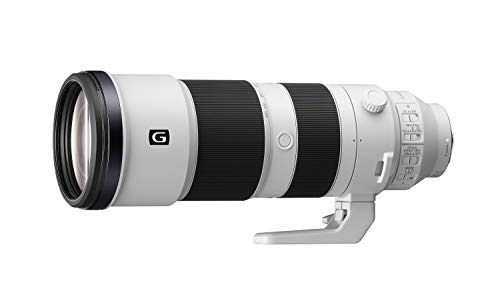
The Sony FE 200-600mm G OSS offers outstanding resolution across its entire zoom range. It uses extra-low dispersion glass elements to reduce chromatic aberrations and flare, while a Direct Drive SSM autofocus motor provides fast, quiet, and precise focusing. This lens is a standout for wildlife photographers using Sony mirrorless bodies, delivering excellent performance in a relatively compact package for its focal length class.
Tamron 70-300mm Di III RXD (Sony E)

The Tamron 70-300mm Di III RXD is a lightweight telephoto option with a compact form factor, making it ideal for travel and lighter wildlife setups. It emphasizes image quality through its 15 elements in 10 groups design and offers a practical up-close shooting capability. While not the longest reach, it pairs well with Sony E-mount bodies for versatile wildlife work and budget-conscious shooters.
Canon RF100-500mm F4.5-7.1 L IS USM (Revisit)
Reconsidering this lens emphasizes its all-around wildlife capabilities: a versatile focal range, professional build quality, and image stabilization designed to support handheld shooting in variable lighting. It complements full-frame Canon bodies and is suitable for a wide range of wildlife subjects, from birds to larger mammals, when you need flexibility without swapping lenses.
Buying Guide: Key Purchase Considerations
- Reach vs. Mobility: Longer focal lengths provide distant subject capture but add weight and size. Balance reach with portability based on your typical shooting distances and travel plans.
- Camera System Compatibility: Ensure your camera body firmware supports specific features (IS, IBIS, or lens-based stabilization) and verify mount compatibility (Canon RF, Sony E, etc.).
- Image Stabilization: Look for lenses with robust stabilization to enable handheld shooting at long focal lengths. Consider models with multiple IS modes for varied subjects and motion.
- Autofocus Performance: Fast, accurate autofocus is crucial for moving wildlife. Pay attention to USM/STM/SSM implementations and compatibility with your camera’s AF system.
- Weight and Handling: Longer telephotos can be front-heavy. Some photographers use monopods or gimbals for stability during long shoots or when tracking birds in flight.
- Weather Sealing and Build Quality: Wildlife work often happens in unpredictable environments. Choose lenses with weather sealing and rugged construction if you shoot in rain, dust, or humidity.
- Budget and Future-Proofing: Priority on essential focal lengths first (e.g., 200-400mm, 400-600mm), then add longer reach as needed. Consider third-party options for a cost-effective path without compromising too much on image quality.