Best Light Pollution Filters for Astrophotography in Urban Skies
Finding the right light pollution filter can sharply improve clarity, contrast, and color in night-sky shots taken from city environments. This guide highlights five popular options and explains who each is best for. Whether you’re a beginner capturing star trails or a seasoned astrophotographer shooting city skylines, these filters help reduce unwanted artificial light without sacrificing star detail.
The table below compares the five recommended filters to help you decide quickly which to choose based on lens size, use case, and notable pros and constraints.
| Product | Lens Size | Best For | Caveat |
|---|---|---|---|
| Walking Way 67mm Natural Night Filter | 67 mm | City night photography and astrophotography in urban environments | May have slight color shift under certain artificial lights |
| K&F CONCEPT 67mm Clear Natural Night Filter | 67 mm | Wide-angle and standard lenses with minimal vignetting | Standard coatings; ensure compatibility with your filter system |
| HOYA 62mm Starscape Light Pollution Filter | 62 mm | Didymium-based light pollution reduction for crisp stars | 62 mm size may require stepping for larger lenses |
| HOYA 77mm Starscape Light Pollution Filter | 77 mm | More detailed night skies with higher field of view | 77 mm availability may vary by model |
| Haida Clear-Night NanoPro 77mm Filter | 77 mm | Urban night skies with water/oil beading benefit and easy cleaning | NanoPro coating requires careful cleaning to retain performance |
Walking Way 67mm Natural Night Filter

Best for urban night photography and astrophotography, the Walking Way Natural Night Filter reduces typical city light pollution from street lamps and neon signage. It uses HD neodymium glass for high light transmission with minimal chromatic aberration and edge distortion. This makes it suitable for night-sky clarity in cities and for architectural night shots where artificial lighting dominates. Choose this if you shoot in dense urban areas and want vivid night colors with preserved star detail. Limitation: some users report minor color shifts under certain streetlight spectra.
K&F CONCEPT 67mm Clear Natural Night Filter

Best for minimizing vignetting on wide-angle lenses, the K&F Concept 67mm filter offers 28-layer coatings on both sides for protection against water, oil, and scratches. It helps reduce light pollution while preserving natural colors, making it a good choice for city skies and night landscape shots. Choose this if you frequently shoot wide scenes and want durable coatings. Limitation: 67 mm size means you’ll need appropriate step-up or step-down rings if your lens is larger or smaller.
HOYA 62mm STARSCAPE Light Pollution Filter

Best for increasing star visibility in light-polluted environments, HOYA Starscape uses Didymium glass with multicoating to boost star-to-sky contrast. It delivers high light transmission (around 97%+) and reduces color cast from sodium and mercury lamps. This makes it suitable for landscapes and long-exposure astrophotography in cities. Limitation: 62 mm size means it may not fit larger telephoto lenses without adapters.
HOYA 77mm Starscape Light Pollution Filter
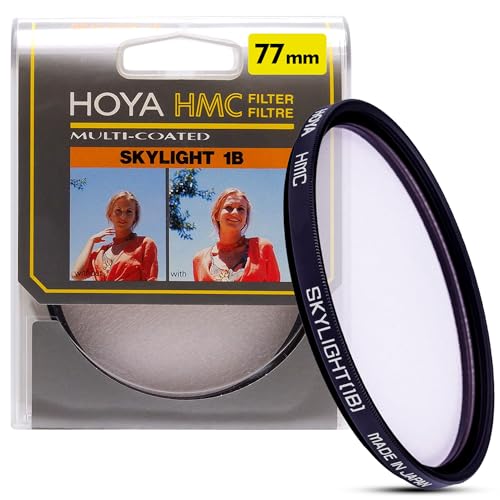
Best for wider fields of view and higher-detail night skies on 77 mm lenses, this HOYA Starscape filter reduces sky glow and preserves the natural colors of landscapes in long exposures. It features Didymium glass with advanced multicoating for high transmission and low reflections. Choose this if you shoot with 77 mm glass and want strong performance against city light pollution. Limitation: 77 mm availability may be limited by stock or model revisions.
Haida Clear-Night NanoPro 77mm Filter
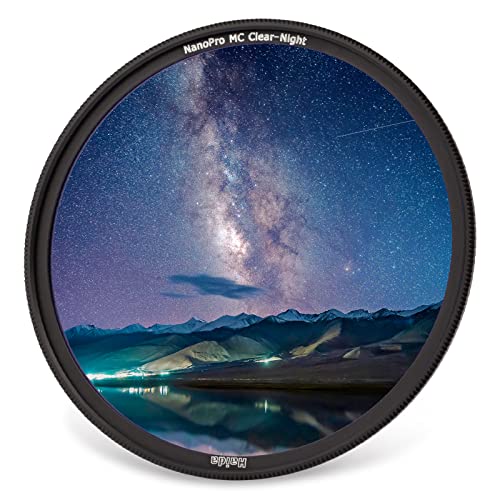
Best for users who want easy cleaning and water/oil beading along with light pollution reduction from urban lighting, Haida’s Clear-Night NanoPro filter is built with optical glass and multi-coated surfaces. It helps reduce yellowish light while maintaining clarity of stars. Choose this if you value coating durability and simplified cleaning in humid or wet conditions. Limitation: NanoPro coatings can require careful maintenance to preserve longevity.
Buying Guide: Key Purchase Considerations
- Lens size compatibility: Filters come in standard diameters (e.g., 62, 67, 77 mm). Match to your lens diameter or anticipate ring adapters for flexibility.
- Coatings and coatings quality: Multi-layer and nano coatings improve transmission and reduce reflections. Look for Didymium glass options for strong night-sky contrast.
- Urban vs. rural use: In dense city environments, stronger light pollution reduction helps, but some scenes may benefit from lighter filtering to avoid overly dark skies.
- Vignetting risk: Ultrathin or ultra-slim frames reduce vignetting on wide-angle lenses. Consider this when pairing with wide-field setups.
- Maintenance: Some coatings are more prone to smudges or water spots. Choose filters with easy cleaning and resistant surfaces for frequent use in humid or rainy areas.
FAQ
- What is a light pollution filter used for in astrophotography?
A light pollution filter reduces artificial light from urban sources, increasing contrast and star visibility in night skies, especially in cities.
- Does the filter affect color accuracy?
Many filters aim to preserve true color while reducing sky glow, but some color shift can occur depending on light spectra and filter type.
- Is a larger filter always better?
Not always. Larger filters fit bigger lenses but may introduce vignetting on wide-angle lenses if not properly matched.
- Should I buy Didymium-based filters?
Didymium glass filters are designed to improve star-to-sky contrast and minimize color cast from common city lights, useful for astrophotography in urban settings.
- Can I use a light pollution filter for night landscape photography?
Yes. The filters help render clear night skies and preserve celestial details when shooting landscapes with urban lighting nearby.
- Do I need a separate filter for each lens size?
Yes. Filters come in specific diameters; you may need step-up or step-down rings to fit different lenses.