Best Medium Format View Camera: Top Picks for Serious Image Makers
For photographers who crave image quality, distinctive tonal range, and a tactile shooting experience, medium format view cameras offer a unique blend of resolution and control. While digital options dominate most modern workflows, a dedicated medium format view camera can deliver standout results, especially for studio work, landscape, and fine art projects. Below, we highlight five solid picks that align with the concept of premium imaging, featuring a mix of film, DSLR legacy, and complementary camera gear to broaden your understanding of high-quality capture options.
Quick Reference Of Selected Products
- Nikon D850 45.7MP Full-Frame DSLR (Body Only)
- OMBAR 4K+2.5K Rear View Mirror Dash Cam
- ZOSHING 17-Inch Security Monitor
- 360 View 4 Channel Dash Cam (ZMOPO)
- HOLGA Holga 120 Pan Panoramic Medium Format Film Camera
Nikon D850 45.7MP Full-Frame DSLR (Body Only)

The Nikon D850 combines high-resolution capture with robust performance, offering a 45.7MP FX-format BSI CMOS sensor paired with EXPEED 5 processing. Its strength lies in stills and video versatility: you can shoot up to 7 frames per second (with a capable buffer for extended bursts) and record 4K UHD video. The 3.2-inch tilting touchscreen provides intuitive control over framing and focus, while accurate scene recognition and exposure metering help maintain consistency across shoots. This body-only option is ideal for photographers who already own a compatible lens ecosystem and want a reliable, high-resolution workhorse for studio and field use.
Key considerations: dynamic range and color depth are strong for landscapes and portraits, yet it remains a DSLR platform rather than a true medium format view camera. It’s best paired with high-quality prime lenses to maximize image quality at the sensor’s native resolution.
OMBAR 4K+2.5K Rear View Mirror Dash Cam

This dual-recording dash cam blends high-resolution front and rear capture with intelligent safety features. The camera records front at 4K and rear at 2.5K, supported by a wide 170-degree front and 150-degree rear field of view to reduce blind spots. HDR processing helps balance exposure in mixed lighting, ensuring clearer license plates and road signs in diverse conditions. Advanced ADAS provides forward-collision alerts, lane departure warnings, and pedestrian detection to assist drivers. The integrated blind-spot monitoring and lane-change assist contribute to a heightened sense of road awareness. While not a traditional medium format tool, this device demonstrates how high-resolution imaging and thoughtful control can influence how we document and analyze scenes from a specialist perspective.
Considerations: this device excels in road documentation and evidence capture, but it is not a camera for still-image artistic projects in the way a dedicated view camera would be. It’s best evaluated for automotive safety, insurance documentation, and situational awareness in driving scenarios.
ZOSHING 17-Inch Security Monitor
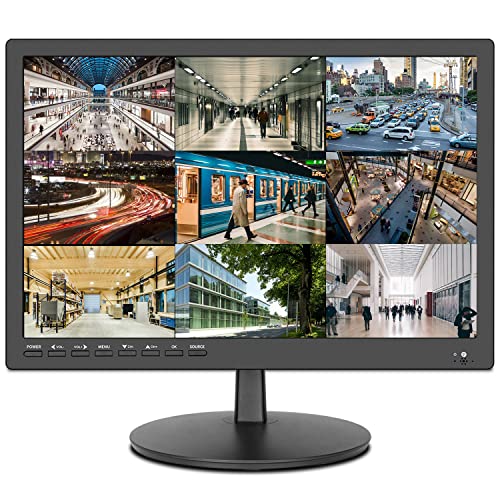
High-quality monitoring gear like the ZOSHING 17-inch security monitor plays a supporting role in imaging workflows, allowing photographers to review large-format or panoramic frames with clarity. The monitor’s wide viewing angle and multiple input options (HDMI, AV, VGA, 3.5mm audio) enable flexible connections to various recording devices, PCs, and media players. Built-in speakers and a USB media player add convenience for quick on-set checks or classroom demonstrations. While not a camera, a reliable display is crucial for evaluating tone, exposure, and detail across panoramic captures or multi-camera setups.
360 View 4 Channel Dash Cam (ZMOPO)

The ZMOPO 4-channel dash cam captures footage from four perspectives—front, rear, left, and interior—providing a comprehensive record of a vehicle’s surroundings. Its 360-degree thinking design, combined with 1080p recording and a time-lapse parking mode, can inspire thinking about multi-angle coverage in imaging tasks. Night vision and WDR processing improve legibility in challenging light, and the system supports smooth playback for post-event analysis. While primarily a vehicle accessory, the device highlights how multi-channel capture expands a photographer’s toolkit for documenting dynamic scenes and safe-driving practices.
Practical note: this device is not intended for traditional still photography; consider it as a reference for multi-perspective documentation in field scenarios.
HOLGA Holga 120 Pan Panoramic Medium Format Film Camera
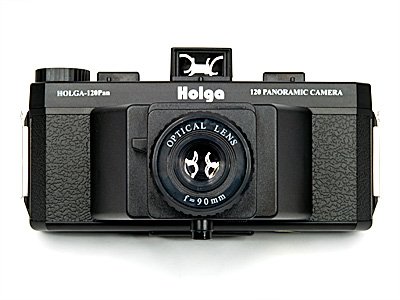
The HOLGA 120 Pan offers a distinctive way to shoot panoramic 6x12cm frames on medium format film. Its 90mm optical lens and panoramic viewfinder emphasize creative composition, delivering a soft, painterly look that is beloved by film enthusiasts. The camera’s simplicity invites experimentation with exposure, light leaks, and sculpture-like tonal separation. This is a true medium format option in the analog sense, appealing to photographers seeking hands-on control and the tactile experience of working with film in a purpose-built panoramic format.
Considerations: HOLGA is ideal for deliberate, expressive work and learning how film responds to light. It lacks the automated features of modern digital systems, so it’s best for artists exploring traditional film aesthetics and panoramic storytelling.
Buying Guide: Key Purchase Considerations For Medium Format View Camera Enthusiasts
When evaluating a camera setup in the realm of medium format and high-image fidelity, consider the following factors to match your goals:
- Image format and sensor/film type: Medium format digital bodies deliver higher resolution and larger pixel pitch, while film options like 6x12cm panoramas provide a distinct tonal range and grain structure. Choose based on desired aesthetic and post-processing workflow.
- Resolution vs. dynamic range: Higher megapixels improve detail but can demand better lenses and lighting. In studio or landscape work, dynamic range and color fidelity often trump sheer resolution.
- Lens ecosystem and optical quality: Leica, Nikon, and other brands offer prime and zoom lenses tailored to high-resolution sensors. In panoramic formats, lens characteristics influence perspective and edge-to-edge sharpness.
- Control and handling: View cameras and certain film cameras emphasize mechanical control—bellows extension, movements, and precise framing. If you value adjustable perspective control, look for systems with tilt, shift, rise, and fall capabilities.
- Workflow and post-processing: Digital systems demand robust RAW processing pipelines and color management. Film requires developing and scanning workflows; plan storage, inventory, and digitization steps accordingly.
- On-set and in-field considerations: For video-centric users, high-resolution action cams and dash cams provide situational documentation, but may not match the aesthetic of still-image capture. Use complementary devices to document scenes or provide additional context.
- Budget and maintenance: Medium format equipment can be a sizable investment. Weigh long-term maintenance costs, lens availability, and repair options when building a rig.
In practice, your choice depends on whether your priority is ultimate resolution and clinical detail, or an expressive, tactile film experience. The Nikon D850 exemplifies a high-resolution digital option with strong stills and video, while the HOLGA 120 Pan offers a hands-on, panoramic film approach for artistic experimentation. Accessories like dash cams and security monitors provide insight into multi-angle documentation and evaluation in real-world contexts, broadening the scope of what “imaging quality” can mean in a photographer’s toolkit. By aligning equipment with your core goals—whether portrait, landscape, documentary, or art photography—you can optimize your workflow for the best possible results within your budget and time constraints.