Best Micro Four Thirds Anamorphic Lens for Cinematic Imaging
For creators exploring widescreen aesthetics on Micro Four Thirds (MFT) bodies, a dedicated anamorphic lens can unlock a distinct horizontal compression, oval bokeh, and unique flares. This guide highlights top options that work with MFT cameras from Olympus, Panasonic, and sister brands, balancing field of view, light gathering, and practical handling. Below, you’ll find five highly relevant picks, a quick comparison, and a buying guide to help you choose the right anamorphic or cine-style lens for your workflow.
| Product | Key Benefit | Mount/Compatibility |
|---|---|---|
| SIRUI 50mm F1.8 Anamorphic | First professional anamorphic option for general use | Micro Four Thirds Mount |
| Panasonic LUMIX 9mm F1.7 | Ultra-wide, compact, strong video performance | Micro Four Thirds Mount |
| LAOWA 17mm f/1.8 | Lightweight ultra-wide with fast aperture | Micro Four Thirds Mount |
| Panasonic 45-150mm F4.0-5.6 | Versatile zoom with image stabilization | Micro Four Thirds Mount |
| Meike 35mm F1.4 | Fast prime with strong bokeh | Micro Four Thirds Mount |
Product Overview
The following selections are chosen for compatibility with Micro Four Thirds bodies and relevance to the anamorphic storytelling aesthetic. They include a dedicated anamorphic option and several high-quality MFT lenses suitable for cinematic work, each offering strengths in light gathering, depth of field control, and handling. This mix provides both specialty and versatile options for different shooting scenarios.
SIRUI 50mm F1.8 Anamorphic Lens for Micro Four Thirds Mount APS-C
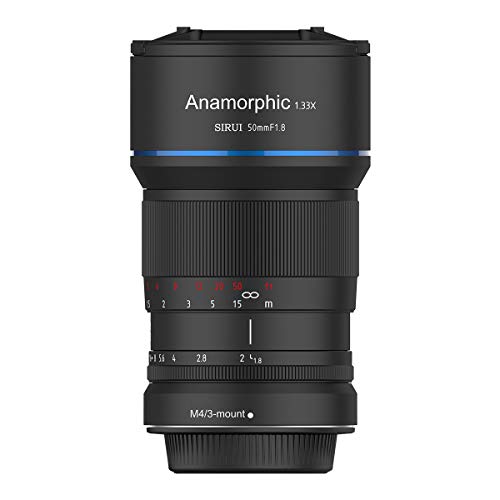
The Sirui 50mm F1.8 Anamorphic is positioned as a first professional anamorphic option within reach for general content creators. It is designed for MFT and Micro Four Thirds mounts, delivering a wider field of view than standard 50mm lenses—roughly 33% wider—approximating the look of cinema-scale 2.4:1 footage. This lens enables cinematic horizontal compression and stylized flare characteristics that are common with anamorphic optics, making it a compelling starting point for projects seeking a distinctive widescreen aesthetic.
Panasonic LUMIX Micro Four Thirds Camera Lens, Leica DG SUMMILUX 9mm F1.7 ASPH

The 9mm ultra-wide from Leica DG SUMMILUX delivers a bright F1.7 aperture and a compact form factor. While not a dedicated anamorphic, its ultra-wide field of view helps create expansive landscapes and interior scenes with pronounced perspective. The lens supports smooth bokeh for shallow depth-of-field work in both photography and video, with compatibility across Micro Four Thirds bodies. It is a practical option when you need broad scene coverage and reliable optical performance in a small package.
LAOWA 17mm f/1.8 MFT Lens for Micro Four Thirds

Laowa’s 17mm f/1.8 for MFT is a lightweight, compact ultra-wide with a fast maximum aperture. It offers close focusing for creative macro-to-wide applications and helps achieve strong background separation where space is limited. While not anamorphic, its speed and field of view are advantageous for cinematic works that require dramatic perspective and vivid color rendition on Micro Four Thirds cameras.
Panasonic LUMIX G VARIO 45-150mm F4.0-5.6 ASPH

This versatile zoom covers a wide to short-tele range, delivering multi-coated optics designed to minimize ghosting and flare. Its internal focusing and near-silent operation are beneficial for video work, while Panasonic Mega OIS (optical image stabilization) helps maintain stability during handheld shoots. While not anamorphic, its flexibility makes it a strong partner for crews needing a broad focal-range without changing lenses frequently on micromount bodies.
Meike 35mm F1.4 Large Aperture Manual Focus Prime
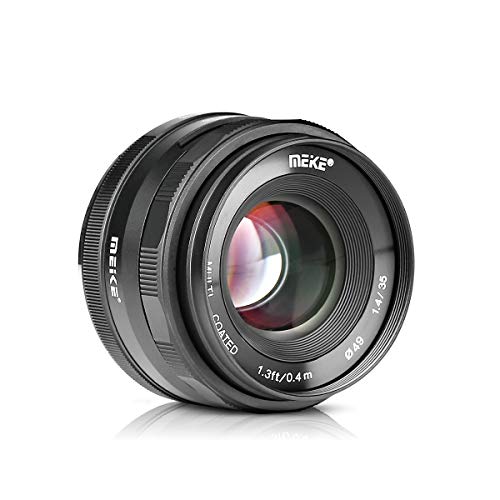
The Meike 35mm F1.4 is a fast manual prime that enables strong subject isolation and pleasing background blur. It covers Micro Four Thirds sensibilities well, with a 35mm equivalent focal length that suits street, documentary, and portrait work. The manual focus approach often pairs with careful exposure control for cinematic projects, and the lens construction supports robust handling for outdoor shoots.
YONGNUO YN17MM F1.7M Lens for M43 Mount

The YONGNUO 17mm F1.7 provides a compact, lightweight option with both autofocus and manual focus capabilities. Its fast aperture supports shallow depth-of-field looks, while the 17mm focal length delivers a very broad field of view appropriate for establishing shots. The lens includes weather-resistant features and a compatible mount, making it a practical choice for entry-level and mid-tier micro four thirds setups.
OM SYSTEM Olympus M.Zuiko Digital 45mm F1.8 Silver

This fast portrait lens offers a maximum aperture of f/1.8 and compact, lightweight design. While not anamorphic, the 45mm focal length on MFT bodies provides flattering portrait compression and strong subject separation, making it a dependable option for interviews, beauty, and low-light work where a small yet capable prime is desired.
MEKE 16mm T2.2 Large Aperture Manual Focus Cine Lens

The MEKE 16mm T2.2 is a large-aperture manual focus cine lens aimed at Micro Four Thirds bodies. Its T-stop helps with precise exposure control for video, and the compact form makes it well-suited for gimbal work and run-and-gun filming. Its focal length and cine design render a cinematic look that complements anamorphic work when matched with appropriate camera settings and de-squeeze workflows.
Buying Guide: Key Purchase Considerations
- Purpose and look: Anamorphic optics are prized for distinctive horizontal compression, oval bokeh, and characteristic flares. If you specifically want true anamorphic footage, prioritize dedicated anamorphic lenses (like the SIRUI option) or cine-style lenses with de-squeeze workflows.
- Mount and compatibility: All selected lenses use Micro Four Thirds mounts. Confirm your camera’s sensor size, flange focal distance, and adapter requirements if mixing lenses between brands.
- Focal length and field of view: Wider focal lengths (eg. 9mm, 17mm) yield expansive scenes but require careful focus and stabilization. Standard primes (35mm, 45mm) deliver classic portrait-to-street framing with easier handling.
- Aperture and light: Fast apertures (f/1.4–f/1.8) enable shallow depth of field and low-light shooting but may introduce more chromatic or optical challenges at wide angles. Balance speed with sharpness and distortion controls.
- Size, weight, and handling: Lighter, compact lenses are ideal for handheld or gimbal use, while larger zooms can cover more situations without swapping lenses. For run-and-gun shooting, stabilization (either lens or camera-based) is a major factor.
- Video performance: Look for smooth focusing behavior, quiet autofocus if needed, and solid build quality for extended shoots. Cine lenses and certain “cine-like” primes are designed with consistent focus and iris control for video workflows.
- Budget and accessories: Anamorphic lenses tend to command premium pricing. Consider sets that include lens hoods, protective cases, and compatible filters for creative control.