Best Mirrorless Cameras for Wildlife Photography
Answering the hunt for a capable wildlife photography setup, these mirrorless cameras are chosen for wildlife scenarios, fast autofocus, and versatile lenses. The top picks include beginner-friendly kits and professional-capable bodies that good-fit nature lovers, birders, and action shooters alike. Each option emphasizes reach, tracking, and image quality to help you decide which model best suits your wildlife pursuits.
| Product | Key Strengths | Best For |
|---|---|---|
| Canon EOS R100 Double Zoom Kit | Two versatile lenses; lightweight APS-C body | Beginners needing a complete wildlife starter kit |
| Canon EOS R50 Kit | Advanced AF and 4K video; compact for travel | Content creators blending wildlife with video |
| Canon EOS R100 2-Lens Bundle | Extended zoom range; included accessories | Beginner wildlife shooters seeking value |
| Sony Alpha 7 IV Kit | Full-frame sensor; robust autofocus | Serious wildlife shooters needing reach and detail |
| Sony Alpha a6400 | Compact, reliable AF; good battery life | Travel-friendly wildlife photography |
This introductory table summarizes five selected wildlife-focused mirrorless cameras with emphasis on autofocus, sensor size, and adaptable lenses suitable for wildlife subjects such as birds in flight and distant mammals. It helps buyers compare core capabilities at a glance.
Canon EOS R100 Double Zoom Lens Kit
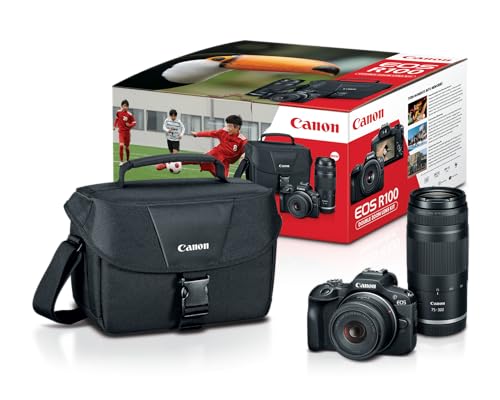
The Canon EOS R100 Double Zoom Lens Kit combines an entry-level, lightweight mirrorless body with two flexible lenses: RF75-300mm and RF-S 18-45mm. The long reach helps with distant wildlife and birds, while the standard zoom covers everyday wildlife scenarios. Best for beginners who want immediate versatility without purchasing multiple bodies.
Best for: Beginners who need a complete wildlife-ready starter kit with built-in flexibility. The kit’s two lenses address both close and distant subjects, reducing the need for frequent lens changes in the field.
Caution: The kit’s autofocus and tracking are solid for beginners but may feel limited for advanced action photography compared with higher-end bodies.
Canon EOS R50 Kit with RF-S 18-45mm

The Canon EOS R50 pairs a 24.2 MP APS-C sensor with Dual Pixel CMOS AF II to deliver reliable subject tracking, especially for moving wildlife, and up to 15 fps with electronic shutter. Its compact design makes it a strong choice for wildlife photographers who travel light or shoot in remote locations. 4K video adds versatility for video documentation of animal behavior.
Best for: Content creators and bird photographers who value fast AF, reliable tracking, and a compact body for field use.
Caution: The kit’s battery life may require extra spares for long field sessions, so plan charging accordingly.
Canon EOS R100 Double Zoom 2-Lens Bundle
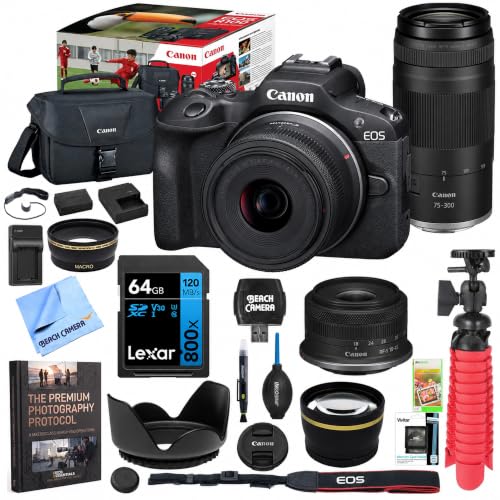
This bundle adds a 64GB memory card, a camera case, spare batteries, and a mini tripod, offering a complete ready-to-shoot wildlife setup. The combination of RF-S 18-45mm and RF 75-300mm lenses provides versatile focal ranges for a variety of wildlife subjects, from close-ups to distant action. Best for beginners who want a full package without sourcing accessories separately.
Best for: New wildlife shooters who prefer a ready-to-go bundle with essential accessories included.
Caution: The included lenses cover broad ranges but may require additional image stabilization options for low light or high-movement scenes.
Sony Alpha 7 IV Kit

The Sony Alpha 7 IV pairs a high-resolution 33MP full-frame sensor with the BIONZ XR processor, delivering detailed images and strong AF performance suitable for wildlife. Its 4K, 60p video with 10-bit 4:2:2 color makes it a versatile option for both stills and video. This kit suits wildlife shooters who need maximum image quality and robust performance in a single body.
Best for: Serious wildlife photographers who require full-frame image quality and dependable subject tracking across fast action scenarios.
Caution: Full-frame cameras can be heavier and more expensive to lens; plan for longer focal-length options and carrying comfort in the field.
Sony Alpha a6400 Kit
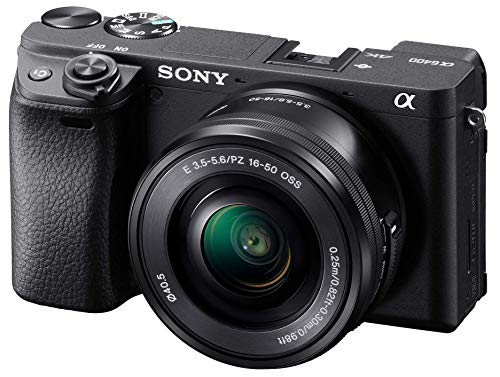
The Sony a6400 is a compact APS-C option with real-time Eye AF and strong autofocus performance, including reliable tracking for birds and mammals. The 16-50mm kit lens is lightweight for travel, while the camera’s overall system remains robust for wildlife work. Best for travelers who want a capable, smaller system with dependable autofocus.
Best for: Wildlife photographers seeking a compact, travel-friendly setup with proven autofocus in a smaller body.
Caution: The kit lens has a fixed zoom range that may require additional telephoto options for distant subjects.
Buying Guide: What to Consider for Wildlife Mirrorless Cameras
Sensor size and resolution influence image detail and crop flexibility. For wildlife, a balance between resolution, autofocus, and dynamic range matters more than sheer megapixels.
- Lens reach and versatility: Telephoto zooms (roughly 200-600mm equivalent) help frame distant subjects without disturbing them. Consider kits with a telephoto option or plan to add lenses later.
- Autofocus capability: Look for Tracking, Face/Eye Detection, and animal sensing features. Dual Pixel CMOS AF II and real-time AF are common in Canon and Sony models for wildlife tracking.
- Low-light performance: Wildlife often occurs at dawn or dusk. A camera with good high-ISO performance and noise control is beneficial.
- Weight and portability: Fieldwork benefits from lighter bodies and compact lenses, especially for hikers and birders.
- Video features: If you document behavior, 4K with reliable color depth and stabilization adds value.
- Accessories: Bundles with extra batteries, memory, and a sturdy bag reduce field setup time.
How to Choose Between Canon and Sony for Wildlife
Canon and Sony both offer strong wildlife options. Canon bodies tend to provide reliable autofocus, user-friendly menus, and strong color rendition, while Sony systems emphasize advanced AF algorithms, high-resolution sensors, and compact lenses. Consider your preferred ecosystem, available lenses, and the balance of weight, price, and performance that matches your typical wildlife scenarios.
What Size and Focal Length Do I Need?
For distant wildlife, a 300mm to 600mm equivalent lens is a practical range on APS-C bodies, while full-frame cameras benefit from longer reach with fewer crops. If you frequently photograph birds in flight, prioritize fast AF, high burst rates, and dependable exposure performance over marginal gains in pixel count.
Battery and Storage Strategy
Wildlife shoots can last hours, so extra batteries and ample memory cards are essential. Consider carrying a portable charger for field use and keeping a spare card in a safe, accessible location on each outing.
Weather and Durability Considerations
Field conditions vary. Look for weather-sealed bodies or lenses and consider a camera with good dust and moisture resistance for challenging environments.
FAQ
- What camera is best for beginner wildlife photography?
Entry-level kits like Canon EOS R100 with a pair of zoom lenses offer versatility and ease of use, making them strong starting points for beginners.
- Is full-frame better for wildlife than APS-C?
- Yes, full-frame sensors can provide better image quality and low-light performance, but APS-C bodies paired with telephoto lenses can offer excellent reach at lower weight and cost.
- Do I need two lenses for wildlife photography?
- Two-lens kits give flexibility for close and distant subjects, reducing lens swaps in the field.
- What should I consider besides the camera body?
- Look at lens availability, autofocus performance, battery life, and weather sealing to ensure reliable field use.