Best Mirrorless 4K Video Cameras for Content Creators and Vloggers
Looking for a compact, capable camera that shoots true 4K video without the bulk of a DSLR? This guide highlights five standout mirrorless cameras with strong video capabilities, reliable autofocus, and flexible lens options. Each model is evaluated for image quality, autofocus performance, portability, and value for creators who vlog, stream, or produce short-film content. Explore top picks from Canon, Sony, and Panasonic, with quick links to the official Amazon product pages and visual references to help you compare at a glance.
| Product | Key Feature | Sensor | Approx. Video Specs |
|---|---|---|---|
| Canon EOS R50 (Black) | Fast autofocus, 24.2 MP APS-C | APS-C | 4K video |
| Canon EOS R100 | Compact entry-level 4K option | APS-C | 4K video |
| Sony Alpha a6400 | Real-time Eye AF, robust color | APS-C | 4K video |
| Panasonic LUMIX G100 | Built-in mic, vlogging-friendly | Micro Four Thirds | 4K video |
| Panasonic LUMIX G7 | 4K photo and video, versatile controls | Micro Four Thirds | 4K video |
Canon EOS R50 Mirrorless Camera – Black

The Canon EOS R50 is designed for creators who want a lightweight, capable 4K mirrorless camera with advanced autofocus. It features a 24.2-megapixel APS-C sensor and the DIGIC X processor to deliver crisp detail and accurate color. With Dual Pixel CMOS AF II, the camera covers nearly the entire frame and supports subject detection for people, animals, and vehicles, making it a practical option for run-and-gun vlogging and hybrid photo/video work. The included RF-S18-45mm kit lens provides a versatile zoom range for everyday shooting and travel.
Key video capabilities include 4K recording with smooth autofocus and reliable exposure, alongside fast shooting bursts for action scenes. The compact body makes it easy to carry on daily shoots or travel vlogs, while Canon’s color science helps deliver pleasing skin tones and natural-looking videos straight out of the camera. This model is well-suited for creators who want an approachable yet capable entry into 4K mirrorless video.
Canon EOS R100 Mirrorless Camera – Black

The Canon EOS R100 targets creators seeking a compact, affordable 4K option with strong sensor performance. Its 24.1-megapixel APS-C sensor, paired with a capable DIGIC 8 processor, delivers clean detail with natural color rendition. The camera’s compact form factor enhances portability for travel shoots and daily vlogging. While entry-level in price, the R100 offers reliable autofocus and straightforward controls, making it a practical choice for beginners who want to grow into more advanced video features over time.
Video performance benefits from crisp 4K capture and reliable Canon color processing, while the camera’s mobility enables easier on-the-go shooting. The R100 is especially appealing to content creators who value a simple, reliable 4K workflow without added complexity. It serves as a solid stepping stone for those starting their journey in mirrorless video production.
Canon EOS R50 – White
Another color variant of the EOS R50, the white model shares the same core capabilities as its black counterpart. It combines a 24.2 MP APS-C sensor with Canon’s DIGIC X processor to deliver strong image quality and smooth 4K video. The Dual Pixel CMOS AF II system provides broad subject tracking across the frame, which is particularly useful for video bloggers and solo creators who rely on continuous focus during talking-head sequences, product demos, or on-location shoots.
This variant remains a compelling choice for creators who prefer the aesthetic or branding alignment of a white body, without compromising on performance. The kit lens’s flexibility supports a variety of shooting scenarios, from indoor setups to outdoor travel vlogs.
Canon EOS R50 with RF-S18-45mm and RF-S55-210mm Lenses
This configuration pairs the R50 with two versatile lenses: the standard 18-45mm kit and the longer 55-210mm range. The expanded focal length range supports broader shooting scenarios, from wide-angle vlogs to tighter product or portrait work. The Dual Pixel CMOS AF II system continues to provide reliable subject tracking, while the camera’s 4K capability remains a strong selling point for creators who want flexible framing options without changing lenses frequently. The combination is well-suited for creators who need a ready-to-go kit that adapts to different shooting styles.
Sony Alpha a6400 – 4K APS-C
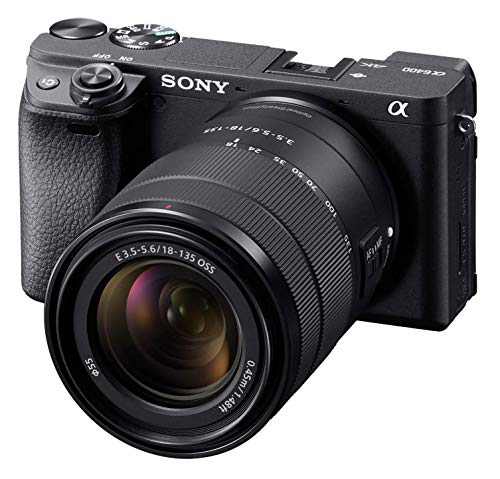
The Sony Alpha a6400 stands out for its Advanced Real-Time AF and exceptionally fast autofocus system. With 425 phase-detect and 425 contrast-detect points covering a large portion of the sensor, it maintains sharp focus in dynamic scenes, making it a strong choice for sports, travel, or documentary-style video. The camera’s 4K recording with full-pixel readout and 10-bit color depth delivers robust color and detail. It’s compatible with Sony’s extensive lens ecosystem, which helps adapt to a range of shooting needs from wide landscapes to tight close-ups.
In addition to image quality, the a6400 offers reliable performance in mixed lighting and a sturdy build for daily use. It appeals to creators who value precise autofocus and a flexible platform for future lens upgrades while maintaining reasonable size and weight for handheld shooting.
Panasonic LUMIX G100 – 4K Vlogging Camera

The Panasonic LUMIX G100 is crafted for vloggers who want integrated audio support and a friendly feature set for everyday content creation. The Micro Four Thirds sensor allows for a compact body with a versatile lens ecosystem. The camera includes built-in microphone capabilities and tracking features that help keep subjects in frame during mobile shooting. Its 4K video capabilities, combined with user-friendly controls and iA (intelligent auto) mode, make it a practical option for creators who want simple, reliable performance with the option to grow into manual controls as their skills advance.
For on-the-go creators, the G100 also supports easy webcam usage, enabling high-quality livestreams and interviews from anywhere. The compact design makes it ideal for travel or pocketable everyday video work, while its mic capabilities help deliver solid audio without additional gear in many situations.
Panasonic LUMIX G7 – 4K Digital Camera

The Panasonic LUMIX G7 offers 4K video capabilities with a budget-friendly price point, making it a practical consideration for beginners and hobbyists. Its 16-megapixel Micro Four Thirds sensor provides sharp imagery and a solid dynamic range for standard video projects. The kit lens option and manual controls give users the ability to experiment with exposure, white balance, and depth of field. While not as feature-packed as higher-end models, the G7 remains a dependable entry for creators building a 4K video setup without a large upfront investment.
Buying Guide: Key Purchase Considerations
- Sensor size and image quality: APS-C sensors (Canon, Sony) generally offer a good balance of image quality and price, while Micro Four Thirds (Panasonic) emphasizes compactness and lens versatility. Consider how important depth of field and low-light performance are to your projects.
- Autofocus performance: For video, reliable Dual Pixel CMOS AF or real-time AF systems help maintain sharp focus on moving subjects. Look for coverage across most of the frame and subject-detection capabilities for people, animals, and vehicles.
- Video features: Check the native 4K frame rates (24/30/60p options), color depth, and whether oversampling or 6K/8K-like outputs improve detail. Consider whether 4K with full-pixel readout and no crop is important for your workflow.
- lenses and ecosystem: A wide selection of native lenses and third-party options enhances versatility. Weight, price, and focal length range affect portability and future upgrades.
- Portability and ergonomics: For handheld work or travel, compact bodies with good grip and intuitive controls reduce fatigue during long shoots. In-body stabilization (IBIS) can be a deciding factor for run-and-gun scenarios.
- Audio options: Built-in microphones vs. external mic support matters for video quality. Some bodies offer improved audio metadata, while others rely on external rigs for best results.
- Workflow considerations: File formats, codecs, and available color profiles influence editing efficiency. If livestreaming or webcam use is important, check compatibility and plug-and-play features.
- Future-proofing: A flexible platform with firmware updates and an expanding lens lineup helps protect the investment as your skills grow.
These factors help determine which camera best fits your creative needs, whether you prioritize compact form, autofocus reliability, or the widest lens ecosystem for 4K video production. The five models highlighted here balance image quality, ease of use, and value, making them strong contenders for aspiring and established videographers alike.