Best Outdoor Cameras for Animals: Top Wildlife Monitoring Picks
Wildlife monitoring and backyard security benefit from reliable outdoor cameras that can capture clear images day or night. This article highlights five top options, each designed for motion-activated wildlife viewing, robust weather resistance, and easy remote access. Use the brief comparison table below to quickly scan featured specs before diving into detailed product sections.
| Product | Brand | Key Strength |
|---|---|---|
| KJK Trail Camera 36MP 2.7K | KJK | Ultra-clear daytime/night images with 0.1s trigger |
| DEATTI Trail Camera 48MP 4K | DEATTI | High resolution photos and remote app access via WiFi/Bluetooth |
| GardePro E6 Trail Camera | GardePro | Wi‑Fi with reliable signal and 48MP / 1296P quality |
| OUTDOOR EXPERT 20MP MINI Trail Camera | OUTDOOR EXPERT | Compact, rugged, 20MP stills with IP66 waterproofing |
| Vimtag Security Camera Outdoor 2.5K | VIMTAG | Color night vision and dual-band Wi‑Fi for outdoor use |
KJK Trail Camera 36MP 2.7K Review

The KJK Trail Camera delivers 36MP still images and 2.7K video, supported by a 22-piece 850nm low-glow LED array. The camera features a 2.0” HD TFT color screen for on-site viewing, and a fast trigger time under 0.1 seconds. Its 130° wide detection angle supports broad field monitoring, making it suitable for wildlife observation, farm monitoring, or perimeter surveillance without disturbing animals due to reduced glow.
DEATTI Trail Camera 48MP 4K Review

DEATTI presents a high-resolution 48MP photos and 2160P 4K videos experience with built-in WiFi/Bluetooth for remote app access. It uses a hotspot-style connection (not home WiFi) for field setup and monitoring, with a 2.0-inch LCD for live viewing. Note the device operates as its own hotspot and requires proximity to connect, which can be advantageous for isolated locations or remote properties.
GardePro E6 Trail Camera Overview

The GardePro E6 pairs 48MP stills with 1296P video and a 110° viewing angle. It emphasizes reliable Wi-Fi connectivity via a dedicated app (GardePro Mobile) without ongoing monthly fees. The camera’s design focuses on consistent signal and fast wireless transfers, enabling quicker access to captured wildlife through the app while maintaining strong battery and storage efficiency.
OUTDOOR EXPERT MINI Trail Camera Review

The Outdoor Expert mini model offers a compact form factor, 20MP image capture, and HD video recording. Its small size makes it easy to install on trees or other structures for discreet wildlife monitoring, and it features IP66-rated ruggedness to handle outdoor conditions. The camera supports both photo and video modes to capture animal behavior and movement patterns effectively.
Vimtag Outdoor Security Camera 2.5K Review
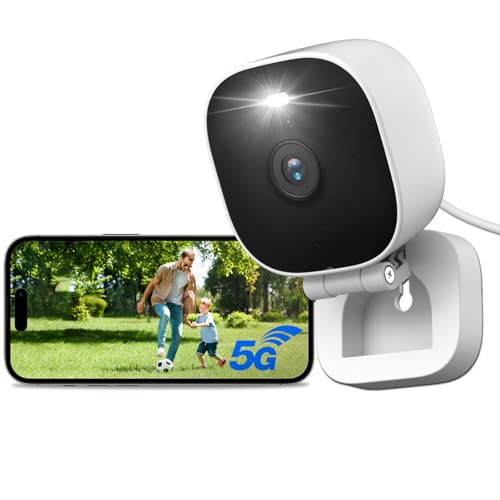
The Vimtag outdoor camera emphasizes color night vision at 2.5K, instant motion and sound alerts, and a dual-band Wi-Fi setup for stable outdoor performance. Its weatherproof IP66 rating helps withstand varied conditions, and a spotlight/siren adds deterrent capability for unwanted visitors or nocturnal wildlife when monitoring yards or properties.
YUPBOE Wireless Outdoor Security Highlights

YUPBOE’s solar-powered wireless cameras offer PTZ (360°) coverage, 2K color night vision, and motion-triggered alerts with a floodlight. The solar charging aspect reduces maintenance, and the wide viewing range helps monitor larger outdoor spaces for animal activity and property security alike.
Buying Guide: Key Purchase Considerations
- Resolution and video quality: Higher MP and 4K/2.7K options provide clearer wildlife detail, but may require more storage and power. Consider your priority between identifying species and long-range surveillance.
- Trigger speed and motion detection: A fast trigger (0.1–0.2 seconds) increases chances of capturing quick animal movements. Look for wide detection angles to minimize blind spots.
- Night vision: Low-glow LEDs reduce disturbance to animals while delivering usable nighttime footage. Check infrared range in feet or meters for your monitoring area.
- Power source and endurance: Batteries, solar options, or wired power affect maintenance. Solar cameras reduce field maintenance but require sun exposure and capacity planning.
- Connectivity: Wi-Fi or hotspot versus independent memory storage affects remote access. For remote locations, hotspot-enabled designs can be advantageous, while Wi‑Fi models excel in connected properties.
- Durability: IP ratings (IP65, IP66) indicate weather resistance. Ensure the camera is suitable for your climate, with dust, rain, and temperature tolerance.
- Storage: Look for microSD capacity, cloud options, and data retention policies. Ensure you have adequate space for ongoing wildlife footage.
- Screen presence: Built-in LCDs allow on-site preview, which can speed setup and testing in the field but add bulk and power use.
- App ecosystem and usability: A robust mobile app with simple image retrieval, quick alerts, and easy firmware updates helps long-term use.
- False alarm management: Adjustable sensitivity and multi-sensor configurations prevent nuisance alerts from wind, foliage, or other non-target motion.
When choosing an outdoor camera for animals, assess the balance between field reliability, image quality, and ease of use. For wildlife studies, prioritize trigger speed, resolution, and nocturnal performance. For property monitoring, emphasize weather resistance, power options, and remote accessibility. The five options above represent a range of configurations to fit various outdoor scenarios and budgets.