Best SD Cards for Digital Cameras: Reliable Storage for Photos and 4K Video
Answering the core buyer question: which SD cards deliver dependable, fast storage for digital cameras? The top picks below are well-suited for travelers, enthusiasts, and professionals who shoot journals, landscape, events, or 4K video. Each card is chosen for compatibility with common camera models, solid read/write speeds, and capacity variety. The table summarizes the five recommended options to help you compare at a glance.
| Product | Capacity | Speed Class | Best For |
|---|---|---|---|
| SANDISK 64GB Extreme PRO SDXC UHS-I | 64GB | C10 U3 V30 | 4K, burst shooting |
| SANDISK 64GB Ultra SDXC UHS-I | 64GB | UHS-I | Everyday photography |
| SANDISK 256GB Ultra SDXC UHS-I | 256GB | UHS-I | Large photo/video libraries |
| SANDISK 32GB Extreme PRO SDHC UHS-I | 32GB | C10 U3 | 4K bursts, rapid transfers |
| Gigastone 128GB SD Card | 128GB | U3 | 4K capture, long shoots |
SANDISK 64GB Extreme PRO SDXC UHS-I

The 64GB Extreme PRO is designed for demanding photographers who shoot in 4K and require fast offloads. Key features include up to 200MB/s read speeds and write speeds up to 90MB/s, aided by SanDisk QuickFlow Technology in higher capacities. Best for professional or hobbyist shooters who need reliable speed for continuous shooting and rapid transfers to editors or laptops.
Best for: 4K video professionals, action shooters, and anyone who values quick data transfer. Better for: high-volume bursts and fast card-to-computer workflows. Choose this if you regularly shoot RAW or 4K footage and need robust performance.
Caution: Real-world speeds can vary by host device and conditions; use a compatible reader to approach advertised speeds.
SANDISK 64GB Ultra SDXC UHS-I
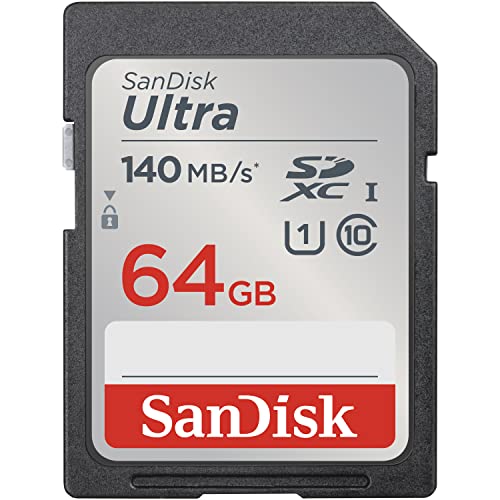
The 64GB Ultra card offers broad compatibility and solid performance for everyday photography and full HD video. It features read speeds up to 140MB/s, which helps speed up transferring large batches of images and videos. It’s a practical choice for enthusiasts using mid-range cameras or those who value cost-per-GB efficiency without chasing peak speed.
Best for: hobbyists and travelers who want reliable storage without premium price. Better for: daily photo shoots and Full HD video. Avoid this if you consistently shoot 4K or require the absolute fastest offloads.
SANDISK 256GB Ultra SDXC UHS-I

This 256GB option targets photographers with large photo libraries or extended video projects. It delivers up to 150MB/s read speeds, enabling faster transfers for big memory card workloads and long shoots. The large capacity reduces the need to swap cards frequently on trips or events.
Best for: long shoots, event photography, and travel where storage capacity matters. Better for: uploading large RAW files and extended video sessions. Caution: larger capacity cards can be more expensive and require compatible readers and devices to maximize speeds.
SANDISK 32GB Extreme PRO SDHC UHS-I
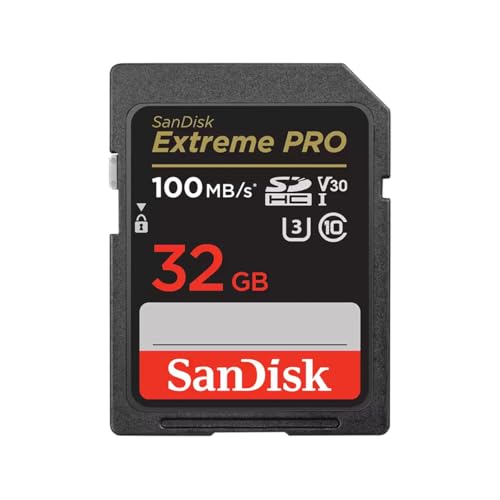
This 32GB Extreme PRO card emphasizes fast shot speeds and reliable 4K video capture in smaller capacity. It offers up to 90MB/s write speeds and up to 100MB/s read speeds. It’s well-suited for cameras that support UHS-I and need dependable performance with modest storage needs.
Best for: compact setups, content creators who primarily shoot 4K bursts with limited card capacity. Better for: short projects or backup cards. Limitation: smaller capacity means more frequent card swaps on longer shoots.
GIGASTONE 128GB SD Card

The Gigastone 128GB SD card targets users needing substantial capacity for 4K video and extended shoots. It supports 4K UHD and is built for durability and ongoing performance. Best for: long events, multi-day shoots, or anyone who prefers fewer card changes on location.
Better for: users who require a large, single-card solution. Caution: ensure device compatibility with higher-capacity SDXC cards to avoid format or recognition issues on older gear.
Buying Guide: Key Purchase Considerations
- Capacity and shoot style: For large photo libraries or long 4K sessions, choose 128GB, 256GB, or higher. For travel or backups, 64GB to 128GB often balances cost and usefulness.
- Speed class matters: U3 and V30 indicate solid 4K video performance. For high-speed burst photography, look for higher write speeds and UHS-I or better.
- Device compatibility: Ensure your camera supports the card type (SDHC vs SDXC) and can reach the card’s advertised speeds with your workflow.
- Durability and reliability: For travel and outdoor use, consider cards with robust durability features and reputable brands to reduce data loss risks.
- Price per gigabyte: Ultra and Extreme PRO lines usually offer better value in higher capacities; balance needs with budget constraints.
- Reader compatibility: A fast card is only as good as the reader you use. Use a USB-C or high-speed SD reader to maximize throughput.
Frequently Asked Questions
What capacity should I choose for a beginner photographer?
64GB is a solid starting point for many beginners, offering enough space for daily shoots while keeping costs reasonable.
Do I need a high-speed card for 4K video?
Yes. Cards with U3 and V30 ratings are designed to sustain the data rate required by 4K recording.
Is it better to buy a larger card or multiple smaller cards?
Multiple cards provide redundancy; a single large card reduces the number of cards to manage but risks more data loss if the card fails.
Will all cameras work with any SD card?
Most modern cameras are compatible with SDXC cards, but check your camera’s specifications for supported capacities and speed classes.
How do I maximize card speed?
Use a compatible high-speed reader and format the card in the camera or a reliable card formatter, ensuring you’re not running other heavy I/O tasks simultaneously.