Best Solar Time Lapse Cameras for Outdoor Projects
Capture long-term outdoor progress with reliable solar-powered time lapse cameras. This guide highlights five top options favored for durability, long battery life, and easy setup. Whether monitoring construction, plant growth, or weather changes, these picks offer clear footage, energy efficiency, and practical features to keep you reporting from remote sites without constant recharging.
| Product | Key Benefit | Battery / Power | Notable Feature |
|---|---|---|---|
| Dsoon TL3000 | High-resolution capture on outdoor jobs | Up to 180 days (5-minute interval) | IP66 waterproof; 4K imaging; 64 GB included |
| Brinno BCC2000 Plus ASP1000 Bundle | Full HD timelapse with solar support | Solar panel with 20% efficiency; long power | 32-ft extender; laptop preview and control |
| Caupureye | Precise framing and versatile modes | Long shooting endurance (IR lights for positioning) | Four shooting modes; 1080P video |
| Dsoon TL2100 | 1080P clarity with extended standby | Up to 180 days | 110° wide angle; IP66; 2.4″ LCD |
| Brinno TLC2020 | HDR and long battery life for off-grid sites | Up to 99 days (5-minute interval) | One-button timelapse; weatherproof |
Dsoon Time Lapse Camera TL3000 — 4K Timelapse On Outdoor Jobs

The Dsoon TL3000 offers high-definition 4K imaging with an advanced chip and fill light for clear shots in low light. An IPS display with a 90-degree flip supports flexible shooting angles. The camera prioritizes long-term projects with up to 180 days of standby power at a 5-minute capture interval. Setup is straightforward: connect to a power source, and the camera will cycle through shots until the SD card is full. This model is IP66-rated for weather resistance and includes a 64 GB TF card for immediate use.
Brinno BCC2000 Plus + ASP1000 Bundle — Full HD Timelapse With Solar

The Brinno bundle focuses on easy, professional-grade timelapse creation in full HD. The Extender Kit provides a 32-foot cable to preview the frame, adjust settings, and monitor remaining power via a laptop (Windows only). The solar panel achieves around 20% conversion with monocrystalline cells, delivering a dependable energy supply for extended field use. It’s designed to reduce on-site interruptions and enable long shooting sessions without frequent power checks.
Caupureye Time Lapse Camera — Infrared Positioning And LED Light

The Caupureye model emphasizes frame accuracy through external time-lapse controls and infrared positioning lights that help keep subjects centered, even with the back cover closed. It provides four shooting modes, including Timelapse and Timing, to suit different workflows. The device records in 1080P with 2 MP photos, delivering clear detail for outdoor construction, landscape work, or plant monitoring. This camera is designed for straightforward setup and flexible use in varied environments.
Dsoon TL2100 — 1080P Timelapse With Wide Angle And LCD
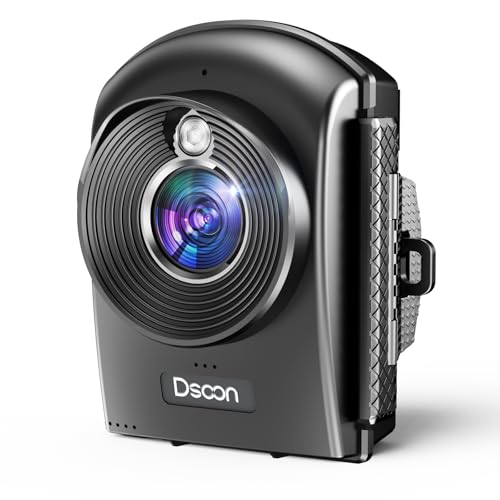
The TL2100 delivers 1080P full HD video with a 110-degree wide-angle lens and a 2.4-inch LCD screen. Its extended standby mode supports long-term projects up to 180 days at a 5-minute interval. The camera is IP66 waterproof, making it suitable for exposed outdoor shoots, including construction progress and environmental monitoring. Quick setup allows continuous shooting until the SD card runs out of space.
Brinno TLC2020 — HDR Timelapse For Outdoor Sites
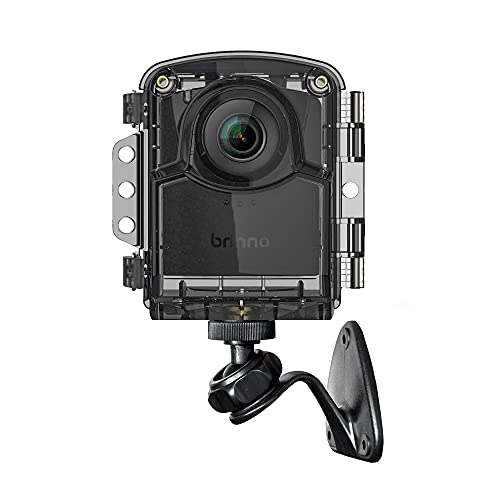
The TLC2020 model emphasizes HDR and full HD timelapse performance in challenging outdoor environments. It features a long-lasting battery and weatherproof housing for use on off-grid sites. The one-button timelapse function simplifies operation, while a scheduling feature helps plan filming days and times. Battery life up to 99 days at 5-minute intervals makes it a dependable choice for extended remote projects with minimal maintenance.
Buying Guide: Key Purchase Considerations For Solar Time Lapse Cameras
- Battery life and power options: Look for devices with long standby times (ideally 180 days or more) and robust solar charging or battery configurations. Consider whether the camera uses replaceable batteries when solar is insufficient in winter or low-sun months.
- Image quality and sensor: 4K and 1080P options provide different levels of detail. Starvis sensors or similar low-light performance features are valuable for dusk, dawn, or overcast conditions.
- Field of view and lens: Wider angles (110°–130°) capture more of the scene but may introduce distortion. Decide based on project scale and distance to the subject.
- Weather resistance: IP ratings (IP66 or IP67) indicate dust and water protection. Outdoor sites demand rugged enclosures and protective housings.
- Ease of setup and operation: Quick-start setups, simple interfaces, and time-lapse presets reduce site downtime. Some models offer remote previews over laptops or companion apps.
- Storage and media: SD card capacity and included cards impact how long you can record between transfers. Check if cloud backups or direct transfers are supported.
- Add-ons and compatibility: Solar panels, extenders, or bundles may improve uptime on remote sites. Verify compatibility with your preferred mounting hardware and accessories.
- Modes and flexibility: Four or more shooting modes (timelapse, stop-motion, timing) provide versatility for different types of projects, from construction progress to nature documentation.
When selecting a solar timelapse camera, align features with the project’s duration, lighting conditions, and data-management needs. Consider total cost of ownership, including batteries, solar panel efficiency, and any required auxiliary gear. These five options offer a balance of image quality, power efficiency, and field reliability for American readers undertaking outdoor timelapse projects.